Seattle Townhome Or Condo: How To Choose The Right Fit
July 9, 2026
July 9, 2026
If you are deciding between a Seattle townhome and a condo, the biggest mistake is focusing on the photos before the paperwork. In neighborhoods around 98103, two homes can look similar online but come with very different rules, costs, and maintenance responsibilities. If you understand the ownership structure first, you can avoid expensive surprises and choose the home that actually fits your lifestyle. Let’s dive in.
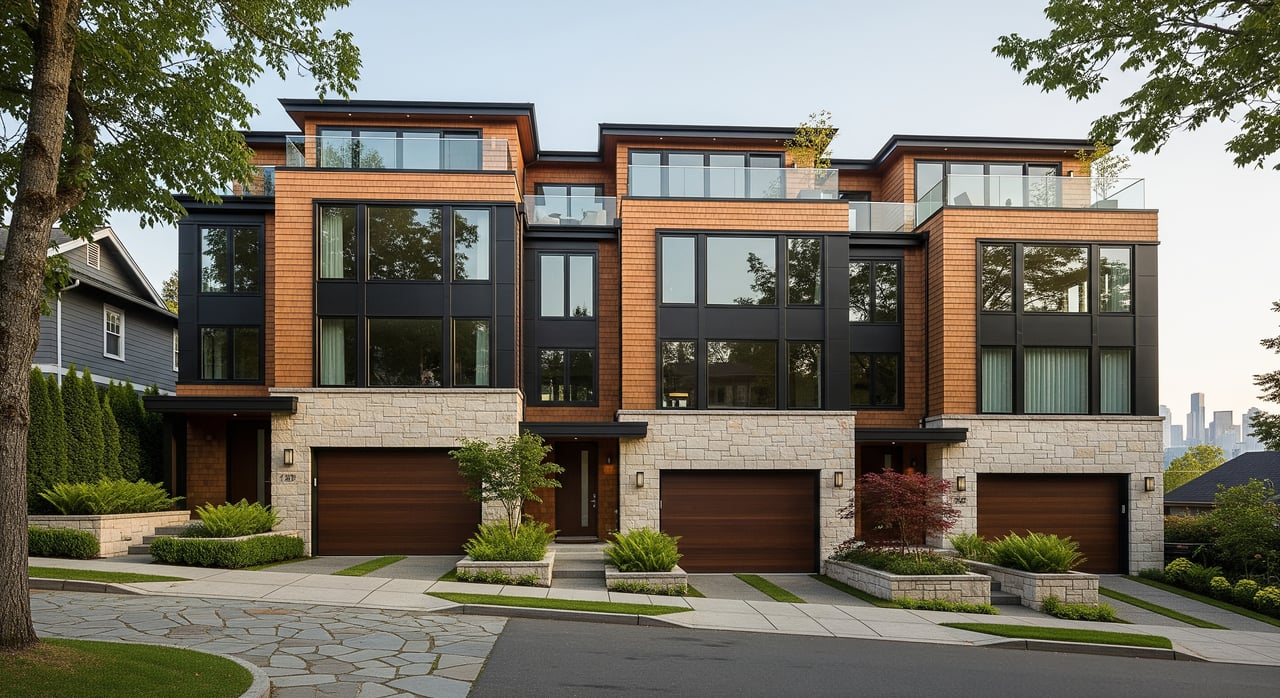
In Seattle, “townhome” often describes how a home looks and lives, not how it is legally owned. Many townhomes are ground-related, multistory homes with direct entries, small yards, decks, and garage space. But the legal setup may be fee simple, part of a condo regime, or part of a unit lot subdivision with shared agreements.
A condo is different because Washington law defines it as a common interest community where you own your unit and share ownership of common elements with other owners. Those common elements can affect maintenance, insurance, monthly dues, and resale disclosures. That is why the listing label alone does not tell you enough.
A property marketed as a townhome may still come with shared walls, shared access, joint maintenance obligations, or recorded easements. In Seattle, unit lot subdivisions can create separate ownership for each residential unit while still requiring agreements for shared roofs, walls, garages, parking, open space, and utilities. In practical terms, a home can feel house-like but still involve shared responsibilities.
For that reason, the real question is not just “townhome or condo?” It is “what do the recorded documents say you own, and what do they require you to maintain or share?”
With a condo, you usually own the interior unit and share ownership of common elements with the rest of the community. Under Washington law, the association generally handles maintenance, repair, and replacement of common elements unless the declaration says otherwise. You are typically responsible for your own unit, while the association manages broader shared property.
That setup can be appealing if you want less direct responsibility for exterior upkeep. It can also mean your day-to-day experience depends heavily on the association’s budget, reserves, insurance, and rules.
Washington’s resale certificate requirements are detailed for a reason. The certificate must disclose things like special assessments already levied, overdue assessments, other owner fees, reserve study status, financial statements, insurance, legal actions, budgets, and anticipated repair or replacement costs above 5% of the board-approved annual budget.
That information matters because insufficient reserves can lead to special assessments. It also helps you understand whether the building is planning for major costs or pushing them into the future.
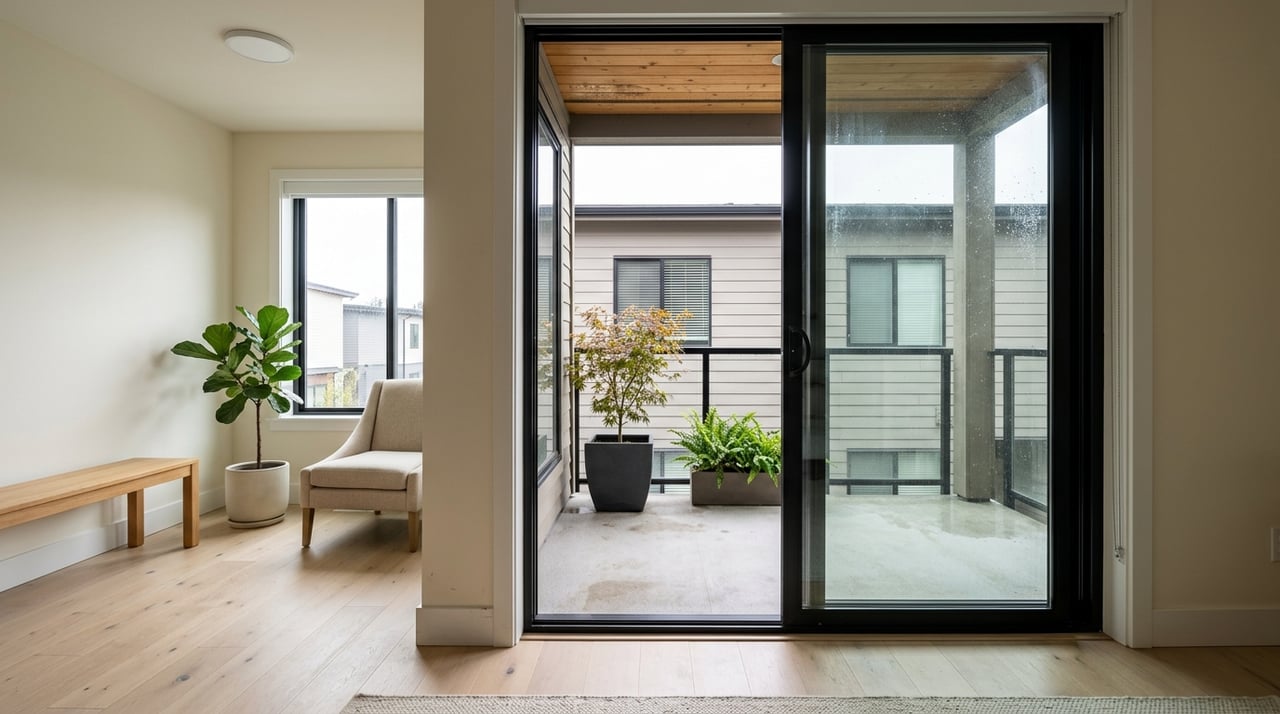
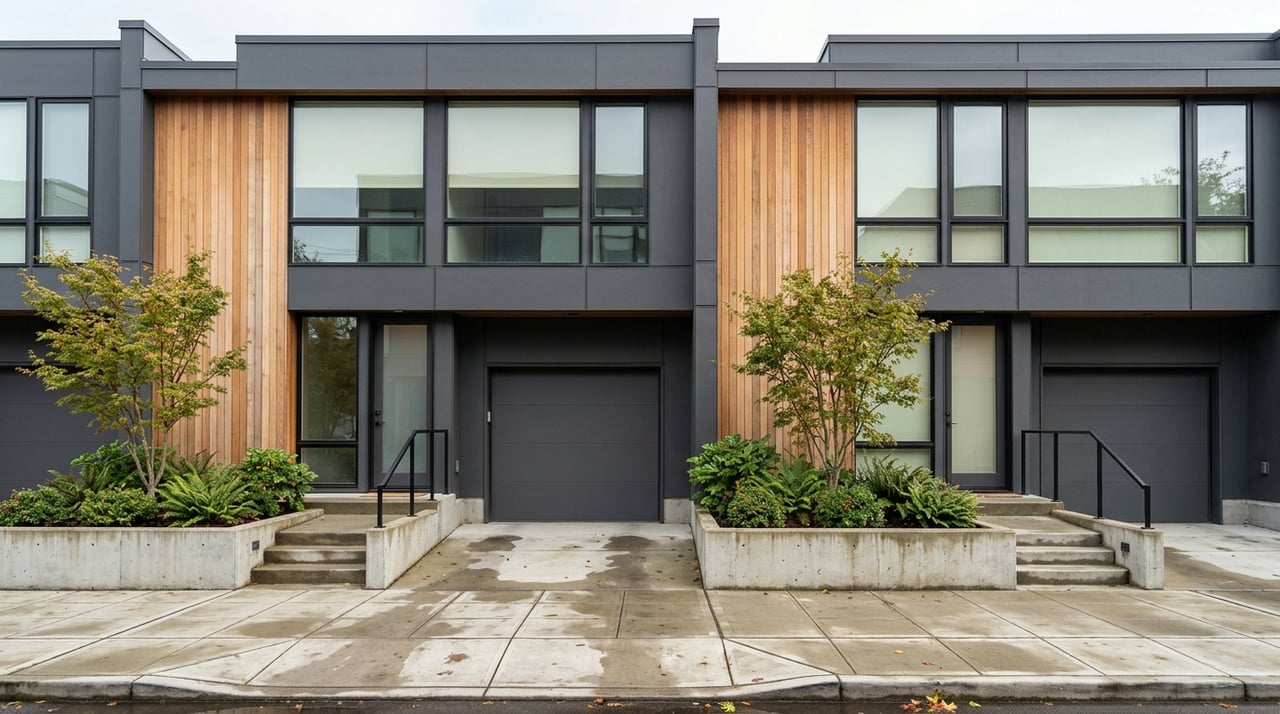
Seattle townhomes are often found in lowrise areas and commonly take the form of three-story attached homes with direct entries, decks, small fenced yards, and garage access. In areas like Fremont and Wallingford, that form can feel more like a traditional house than a stacked condo. For many buyers, that is a major draw.
Still, townhomes are not automatically simple. Seattle subdivision guidance makes clear that these projects often include shared-use and maintenance agreements for access, garages, walls, roofs, open space, and utilities.
Some townhomes are closer to fee simple ownership, where your responsibilities are more individual. Others come with more shared obligations that function a lot like a smaller association. The exact split depends on the plat, declaration, easements, CC&Rs, and any joint maintenance agreements.
That means one Seattle townhome may offer a straightforward ownership experience, while another may require close review of who pays for a roof, shared driveway, or exterior wall repair. The structure is often narrower than a larger condo building, but it still needs careful review.
For many buyers, the right choice comes down to how you want to live, not just what you want to own. Both options can work well in Seattle, but they ask for different tradeoffs.
Townhomes often offer a more private, house-like feel because they are ground-related and usually have direct entry. Many also include some private outdoor space, such as a small fenced yard or deck. That can be appealing if you want a little separation from neighbors without leaving the city.
Condos often place more emphasis on shared systems and shared spaces. You may have less private outdoor area, but you may also have fewer exterior responsibilities to think about.
A townhome may reduce some of the feel of living in a larger shared building, but it can still include common walls. A condo may involve more shared building infrastructure and common areas, which can be a worthwhile trade if convenience matters more to you than separation.
The key point is that neither option guarantees a specific experience. The layout, building design, and governing documents all shape how private or shared the home really feels.
Parking is another area where assumptions can cause problems. Seattle guidance for unit lot plans calls out parking spaces, private amenity areas, and joint-use agreements for garages and parking areas. Many townhome projects include garage parking or parking integrated into the site design.
With condos, parking may be included, assigned, deeded separately, or not included at all. Storage can vary just as much. You should verify both in writing before you move forward.
This is where the difference between a condo and a townhome can become even more important. A home that feels right in person still has to work on paper.
Condo buyers should ask whether the project is warrantable, whether there are any special assessments, how much is in reserves, what the HOA fee covers, whether parking is included or assigned, and what insurance the master policy covers. Project eligibility can affect financing options, timing, and risk.
This is one reason condo due diligence deserves extra attention. A well-run association with clear reserves and solid disclosures can support a smoother path to closing and resale.
Townhomes may be simpler when they are clearly fee simple. But some Seattle townhome projects still include shared obligations that need review, especially when easements and maintenance agreements are involved.
So even if a lender sees the home differently from a condo project, you still want a clear answer on ownership form and shared responsibilities. Simpler is possible, but it should never be assumed.
In and around 98103, this choice often shows up in very practical ways. Places like Fremont and Wallingford help illustrate why attached homes in Seattle compete less on land size and more on privacy, parking, walkability, and exterior upkeep.
A condo in a denser urban setting, such as Capitol Hill or a busy part of Ballard, may appeal to buyers who want convenience and less direct exterior responsibility. A townhome in areas like Fremont or Wallingford may appeal to buyers who want a more direct entry, some private outdoor space, and a more house-like setup. Those are common patterns in Seattle housing, though not a rule for every property.
Before you choose a townhome or condo in Seattle, make sure you can answer these questions clearly:
If any of those answers are vague, that is a sign to slow down and review the documents more closely.
A condo may be the better fit if you want a more lock-and-leave lifestyle, are comfortable with HOA oversight, and prefer shared exterior responsibility. The tradeoff is that the association’s finances, rules, and reserve planning matter a lot to your ownership experience.
A townhome may be the better fit if you want a more house-like entry, more private outdoor space, and a setup that feels more independent. The tradeoff is that you may need to review shared maintenance obligations more carefully, especially in Seattle projects with unit lot subdivisions or easements.
The right answer is usually less about the label and more about your comfort with maintenance, shared decision-making, and document review. If you can match the ownership structure to the way you actually want to live, you will make a much more confident choice.
If you want help comparing Seattle condos and townhomes with a finance-informed lens, The Rachel Olson Group can help you evaluate ownership structure, monthly costs, resale risk, and the practical tradeoffs that matter most.
August 13, 2026
October 1, 2026
September 17, 2026
September 10, 2026
September 24, 2026
October 15, 2026
September 3, 2026
August 20, 2026
August 27, 2026

November 21, 2025
October 8, 2026
August 6, 2026
August 6, 2026
July 23, 2026
July 16, 2026
July 9, 2026
July 2, 2026
June 25, 2026
June 18, 2026
June 11, 2026
June 4, 2026
May 28, 2026
May 21, 2026
May 14, 2026
May 7, 2026
April 23, 2026
April 16, 2026
April 2, 2026
first time home buyer
Rachel Olson | March 24, 2026
A Guide for First-Time Homebuyers in 2026
March 24, 2026
March 5, 2026
February 19, 2026
February 5, 2026
January 15, 2026
January 1, 2026

December 18, 2025
December 4, 2025
The Rachel Olson Group is comprised of a team of local real estate professionals committed to selling some of the most desired homes in Greater Seattle. We are committed to providing top-notch service for our clients and helping them navigate what can be a tough Seattle market. Please contact us today to get a no-obligation analysis of your home value or to take a tour of a potential new home!