Leave a Message

Thank you for your message. We will be in touch with you shortly.

Pricing Strategy For Seattle Townhomes

January 1, 2026
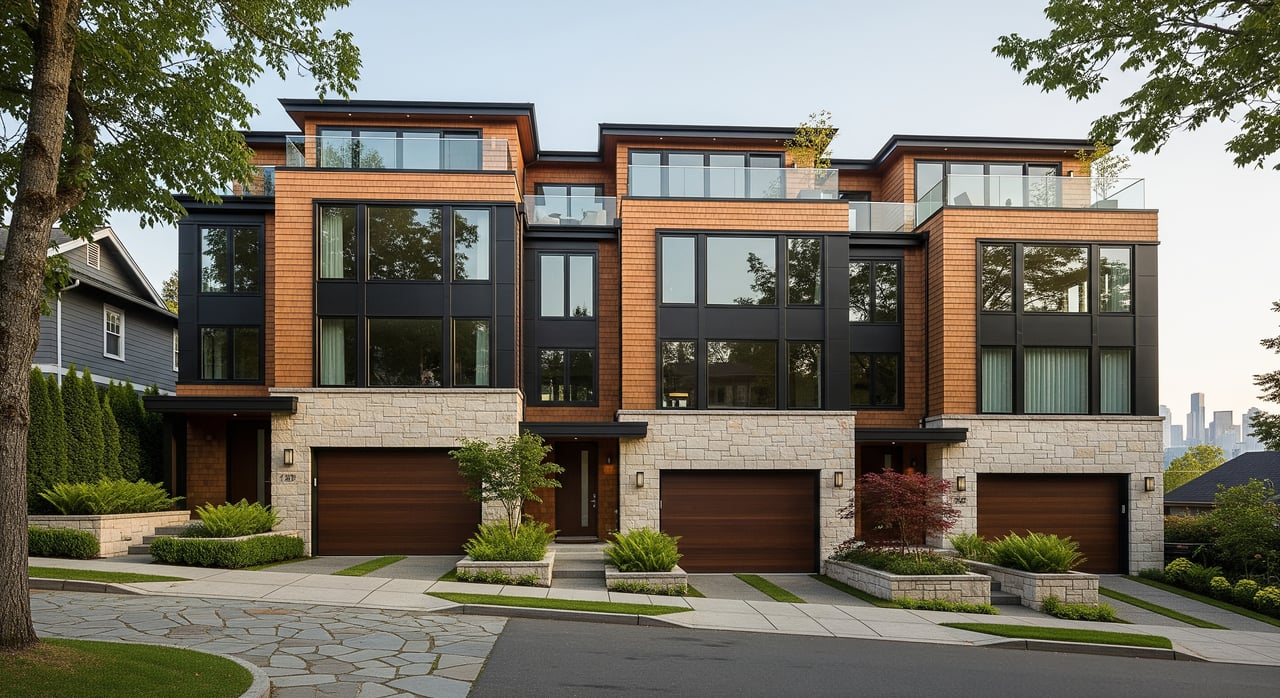
Pricing Strategy For Seattle Townhomes

Thinking about listing your 98103 townhome this early spring? In Seattle, the right price can mean the difference between multiple offers and a stale listing. You want a clear plan that reflects how buyers really shop in this market and how townhomes are valued compared to condos or single-family homes. In this guide, you will learn the pricing levers that move value, how to select and adjust comps, and a step-by-step launch and testing plan tailored to early spring in 98103. Let’s dive in.

Why early spring favors 98103 townhome sellers

Early spring typically brings more active buyers, more listings, and shorter days on market compared with winter. If you can time your launch, early spring often creates stronger traffic and a better chance of multiple offers. That said, market momentum can shift, so you should verify the local indicators before you price.

Track these metrics in the weeks before you list:

  • Active townhome inventory in 98103 and adjacent micro-areas
  • 30- and 90-day absorption rate to see sales velocity
  • Median days on market and sale-to-list price trends
  • New pendings compared to new listings to gauge momentum

Keep an eye on factors that affect buyer budgets. Mortgage rate changes can alter what buyers can offer, and local employment trends can influence demand. Also pay attention to the mix of renovated versus original-condition townhomes in your immediate area, since inventory composition changes buyer expectations and pricing power.

Know your 98103 micro-market

Townhome values in Seattle are often block sensitive. Even similar floor plans can trade differently based on street noise, privacy, or proximity to amenities. When you review comps or set a price, match the micro-location closely and give more weight to nearby streets with similar feel and outlook.

Consider the following when you review location:

  • Proximity to parks, lake access, grocery corridors, and restaurants
  • Walkability and bike access
  • Distance to major employment and transit nodes
  • Views and privacy vs arterial exposure

What drives value in Seattle townhomes

Ownership type: fee-simple vs condo unit

Ownership structure is a primary driver. Fee-simple townhomes usually command a premium over condo-titled units of similar size. Buyers value control over land and exterior, and financing is typically more straightforward. Condo-titled townhomes come with HOA oversight. When comparing comps, match ownership type first and weigh fee-simple sales more heavily for fee-simple listings. For condo-titled properties, HOA reserves, governance, and any special assessments directly affect value and should be reflected in pricing.

Parking and EV readiness

Off-street private parking in Seattle is highly valued, especially where street parking is tight. A garage or dedicated driveway increases competitiveness. Two stalls can attract more family buyers, while one stall may narrow the pool and require a pricing adjustment. EV charging or easy conduit access is a growing preference and can tip a buyer when comparing similar homes.

Location and block factors

Micro-location matters in 98103. Prices shift with walkability, access to transit, proximity to retail and parks, and overall street feel. Views, privacy, and noise exposure from arterials or nearby commercial activity can move the needle. Always test your pricing against comps with a similar street context.

Condition and remodeling

Buyers prize move-in ready. Fresh paint, flooring, hardware, and lighting help reduce negotiation friction. Kitchen and primary bath updates often have the biggest impact on buyer interest. System upgrades like roof, windows, and HVAC reduce perceived risk and can justify a premium. Remember, not every dollar spent on an expensive remodel is fully recouped. Use comps to gauge the right premium for your specific updates.

Layout, size, and outdoor space

Square footage and bed-bath count set the baseline, but layout efficiency and ceiling heights affect perceived value. Usable private outdoor space is a differentiator. A patio, fenced yard, or large balcony is rare for townhomes and often supports higher pricing, especially for buyers with pets or those who entertain.

HOA dues and assessments

Monthly HOA dues reduce buyer purchasing power because they add to the all-in monthly cost. Special assessments or major planned projects lower appeal and must be reflected in pricing. Well-run HOAs with healthy reserves can support better pricing for condo-titled homes.

Build a defensible price with comps

Choose the right comps

Work from the inside out and keep the match tight. Prioritize:

  • Closed sales in the last 3 to 6 months; stretch to 6 to 12 months only if needed
  • Proximity within 0.25 to 1.0 mile, with preference for very close micro-locations
  • Same ownership type, similar number of stories, garage vs carport, and attached vs detached configuration
  • Size within plus or minus 10 to 15 percent and matching bed-bath counts
  • Comparable condition and finishes, especially kitchen and bath status
  • Similar parking and outdoor space

Exclude outliers such as distressed sales or transactions with unusual concessions whenever possible.

Adjust like a pro

Create an adjustment grid. List key differences like ownership, parking, square footage, bed-bath, condition, HOA dues, view, and micro-location. Use price per square foot as a baseline and then adjust for layout efficiency and unique features. In faster markets, give more weight to comps that went pending quickly and closed close to list price.

Use actives and pendings wisely

Active listings are your competition and help you position your price, but they are not evidence of value. Recent pendings are strong indicators of what buyers are currently accepting. If a pending comparable went under contract quickly, it often signals buyer appetite at that price point.

Set your pricing band

Before you pick a list price, define a range based on comps and current momentum:

  • Market value. A realistic expectation built from well-adjusted comps.
  • Aggressive listing target. A price that attracts broad traffic and invites bidding.
  • Defensive floor. A number below which you will not accept.

In a seller-favorable moment, you can set near or slightly above market value to capture upside. In a balanced or softening moment, consider a more competitive list to drive early traffic.

Pick a launch strategy for early spring

Pre-list prep, 2 to 6 weeks out

  • Complete a targeted CMA using the criteria above.
  • Review HOA documents, reserve studies, and any pending special assessments.
  • Verify square footage and measurements to match MLS standards.
  • Identify likely buyer profiles and tailor your presentation and pricing.
  • Line up professional staging, photography, floor plans, and video for day one. High-caliber visuals help justify your price and shorten time on market.

The Rachel Olson Group pairs Compass Concierge-backed improvements with premium visual marketing so you can lead with a polished presentation that supports your pricing.

Choose your pricing tactic

Pick one approach based on your goals and market read:

  • Capture maximum demand. List slightly under perceived market value to encourage multiple offers. Works best with strong demand and limited inventory.
  • Net-proceeds maximizer. List at market or slightly above and rely on superior presentation and marketing to support the number.
  • Price band entry. Enter at a competitive price and plan one strategic reduction if activity is weak. This is helpful when you want to test without starting too low.

Time your launch

Target early spring before the market gets crowded. Early March often hits a sweet spot, but confirm this year’s pattern. Review “coming soon” options in the MLS and consider agent previews to build early interest. Aim to go live midweek, collect showings, and open the first weekend with momentum.

Test the market and iterate

The first 7 to 14 days tell you the most. Monitor:

  • Showings and tours per week compared to similar listings
  • Online views and saves
  • Feedback themes from agents and buyers
  • Number of offers and strength of terms
  • Days on market relative to your micro-area

If showings and engagement lag behind peer listings, consider one decisive price correction rather than small drips. Document the feedback and comps that support the change to build buyer confidence. Before changing price, you can refresh marketing with new photography, expanded showing windows, or quick cosmetic fixes if feedback points to condition.

Evaluate multiple offers wisely

Look beyond headline price. Weigh:

  • Financing strength and lender type
  • Contingencies, including inspection and appraisal risk
  • Closing timeline and possession flexibility
  • Earnest money and any appraisal gap strategies

In Seattle, financing and appraisal issues are common friction points. Favor offers that pair strong price with clear financing, reasonable contingencies, and timelines that match your move.

A simple checklist for 98103 sellers

  • Gather comps from the last 3 to 6 months that match ownership type, parking, size, and condition.
  • Confirm HOA health, dues, and any special assessments.
  • Verify measurements and key features for MLS accuracy.
  • Define your pricing band: aggressive target, market value, and defensive floor.
  • Choose your tactic and launch week, then prep staging and premium visuals.
  • Track the first 7 to 14 days closely and be ready to adjust once if needed.
  • Evaluate offers by net proceeds and contract strength, not price alone.

Ready to price, launch, and win in early spring? Get a finance-informed plan, premium marketing, and responsive guidance from a local team that does this every week. Connect with The Rachel Olson Group to request your free home valuation and a custom pricing strategy for your 98103 townhome.
FAQs

How does parking affect pricing for Seattle townhomes?

  • Private off-street parking increases buyer appeal and can support a higher price, especially where street parking is tight. Two stalls widen your buyer pool, while one stall may require a slight adjustment.

Should I price high to leave room to negotiate in early spring?

  • Overpricing often reduces showings and days on market can climb. Pricing competitively to attract early traffic typically produces better results and stronger terms.

Do renovations always pay back more than they cost?

  • Not always. Cosmetic updates and kitchen or primary bath improvements improve marketability, but very high-end finishes are not always fully recouped. Use comps to set realistic expectations.

How do HOA fees influence buyer budgets and pricing?

  • Higher dues reduce buyer purchasing power, which can lower what buyers will pay for the home. Convert dues to a monthly cost and compare against fee-simple comps when setting price.

What if my townhome is condo-titled rather than fee-simple?

  • Condo-titled homes can have a smaller buyer pool due to HOA rules and financing limits. Strong reserves and sound governance help support pricing. Match your comps by ownership type.

Is early spring always the best time to list in 98103?

  • Early spring often brings the most activity, but you should confirm current inventory, absorption, and new pendings versus new listings. If momentum looks soft, consider a more competitive list price.

How long should I wait before a price reduction if activity is slow?

  • After a 10 to 14 day test window, a single decisive reduction is usually more effective than small cuts. Document market feedback to support the change.

What data should I ask my agent for before I list?

  • Recent closed sales and pendings that match ownership type and parking, local inventory and absorption, median days on market, sale-to-list ratios, HOA details, and examples of recent price reductions in your micro-area.

Recent Blog Posts

Why Quincy, Washington's Home Prices Depend on Which Quincy You're Buying

August 27, 2026

Downtown Park Used To Be Bellevue's Whole Summer. Not This Year.

August 20, 2026

Two Summers Meet On Crescent Bar This Week

August 13, 2026

What Actually Changed in Downtown Quincy This Summer

August 6, 2026

What's Actually New on Capitol Hill This August

August 6, 2026

Relocating To Seattle For Tech Work: Housing Basics To Know

July 23, 2026

Contingencies In Seattle Offers And How To Use Them Wisely

July 16, 2026

Seattle Townhome Or Condo: How To Choose The Right Fit

July 9, 2026

What It’s Like Living Near Seattle’s Light Rail Stations

July 2, 2026

Bellevue Vs Seattle For First-Time Buyers: Key Tradeoffs

June 25, 2026

Condo And Townhome Living In Bellevue’s Urban Hubs

June 18, 2026

Strategic Upgrades That Help Bellevue Homes Sell Faster

June 11, 2026

Coordinating Your Bellevue Home Sale And Next Purchase

June 4, 2026

Writing A Winning Offer In Seattle’s Competitive Market

May 28, 2026

Bellevue Neighborhoods With Easy Seattle Commutes

May 21, 2026

Using Compass Concierge To Prepare Your Bellevue Home

May 14, 2026

Buying A Vacation Home Near The Gorge

May 7, 2026

Selling Your Quincy Home To Out-Of-Town Buyers

April 23, 2026

Quincy WA Real Estate For Seattle Area Buyers

April 16, 2026

What It’s Like To Live In Quincy Washington

April 2, 2026

first time home buyer

Navigating the Seattle Housing Market

Rachel Olson  |  March 24, 2026

A Guide for First-Time Homebuyers in 2026
How Bellevue School Boundaries Affect Home Values

March 24, 2026

Everyday Life In Downtown Bellevue

March 5, 2026

Seattle New Construction Homes: A Buyer’s Checklist

February 19, 2026

Hidden Gem Neighborhoods In North Seattle

February 5, 2026

Seattle Architecture Styles: Craftsman to Modern

January 15, 2026

Pricing Strategy For Seattle Townhomes

January 1, 2026

Seattle Condo HOA Dues: What Buyers Should Know

December 18, 2025

Jumbo vs. Conforming Loans In Bellevue

December 4, 2025

Earnest Money In Seattle: How It Works

November 21, 2025

Work With Us

The Rachel Olson Group is comprised of a team of local real estate professionals committed to selling some of the most desired homes in Greater Seattle. We are committed to providing top-notch service for our clients and helping them navigate what can be a tough Seattle market. Please contact us today to get a no-obligation analysis of your home value or to take a tour of a potential new home!