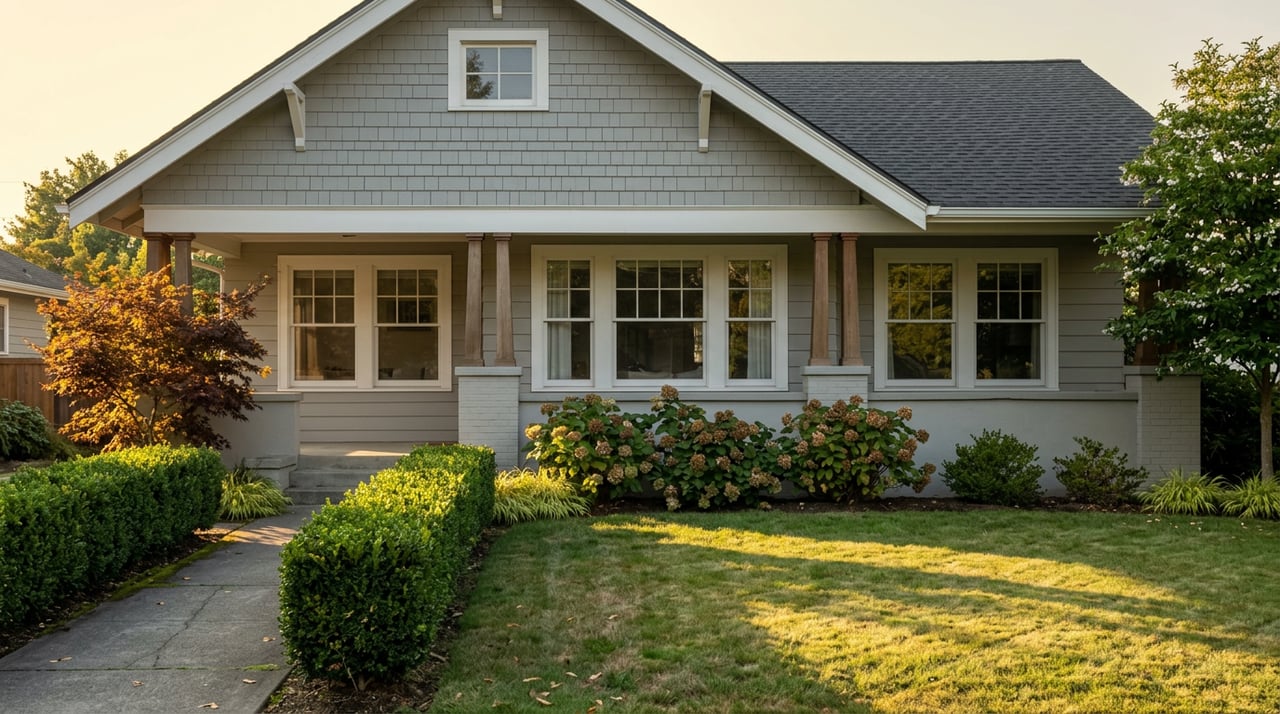
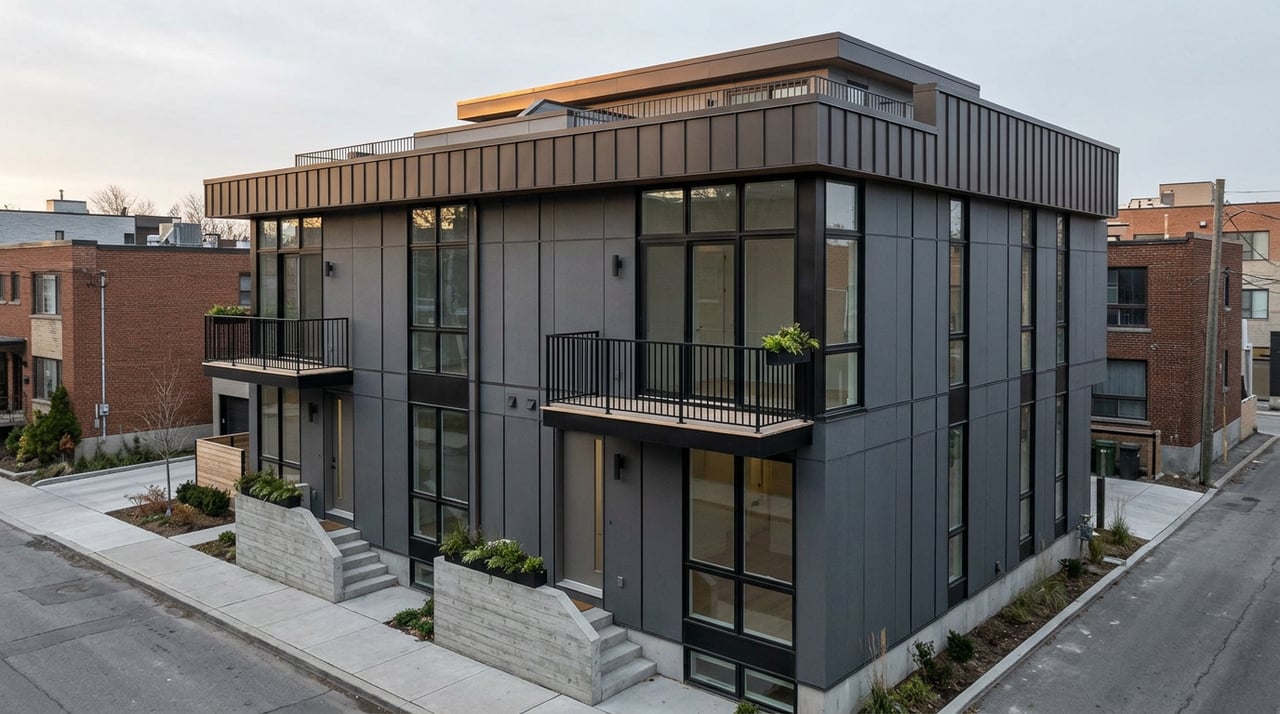
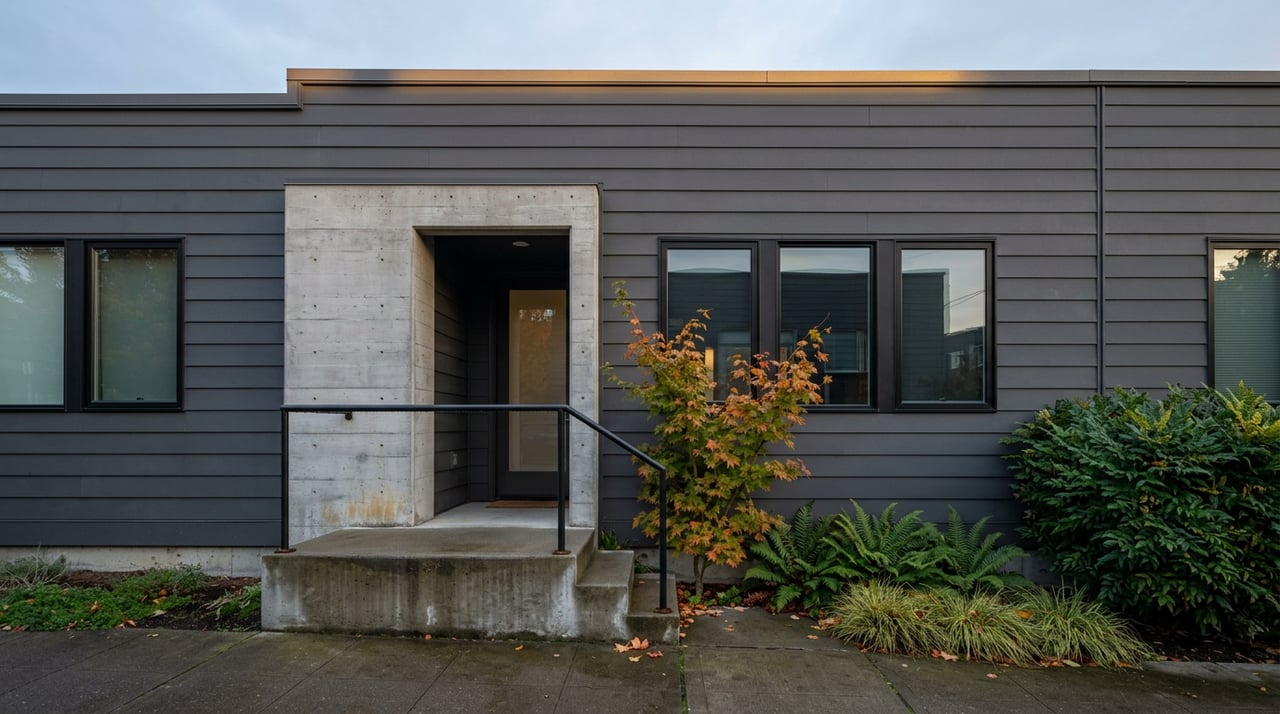
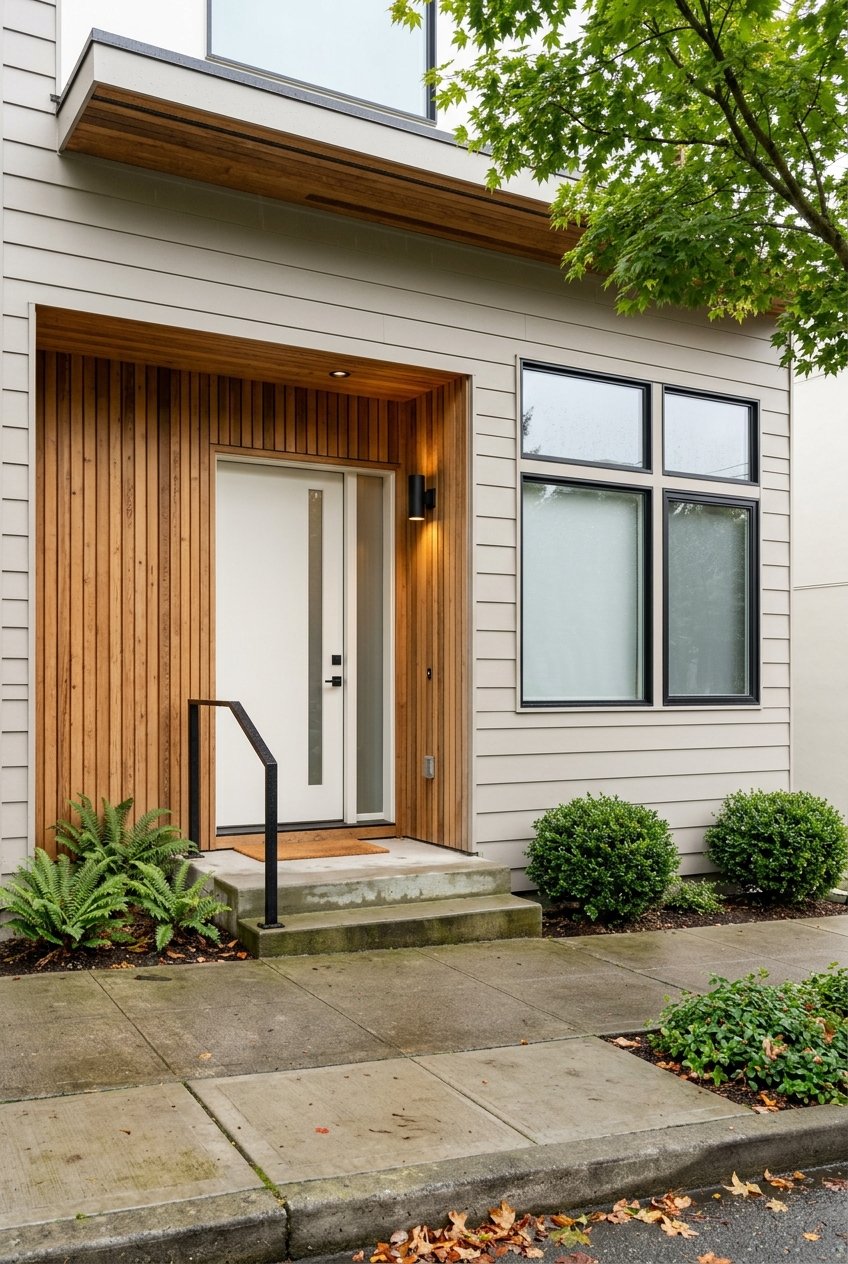
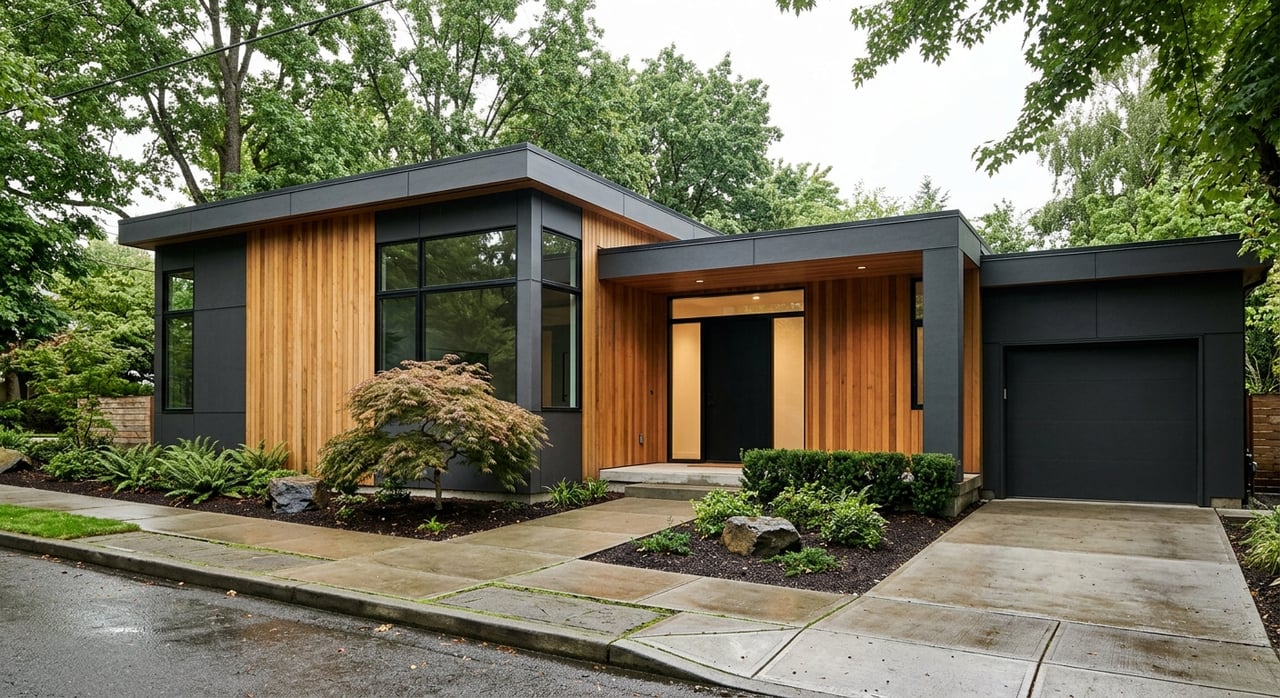
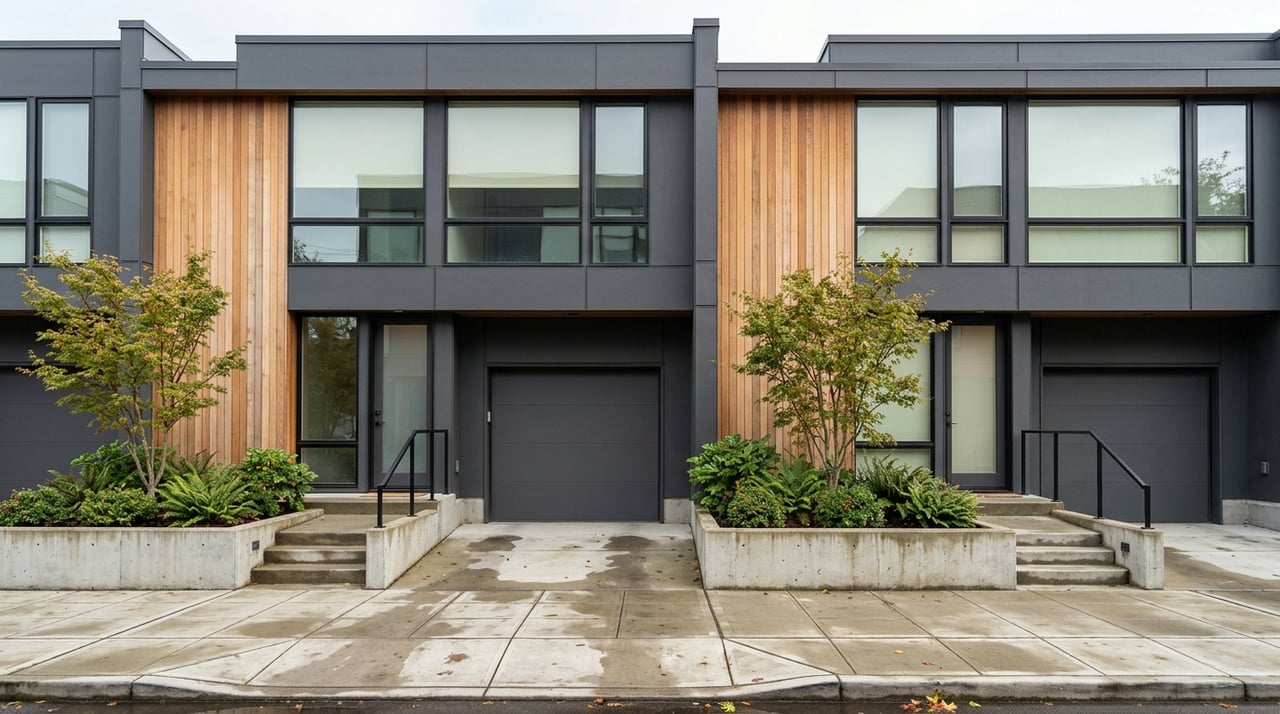
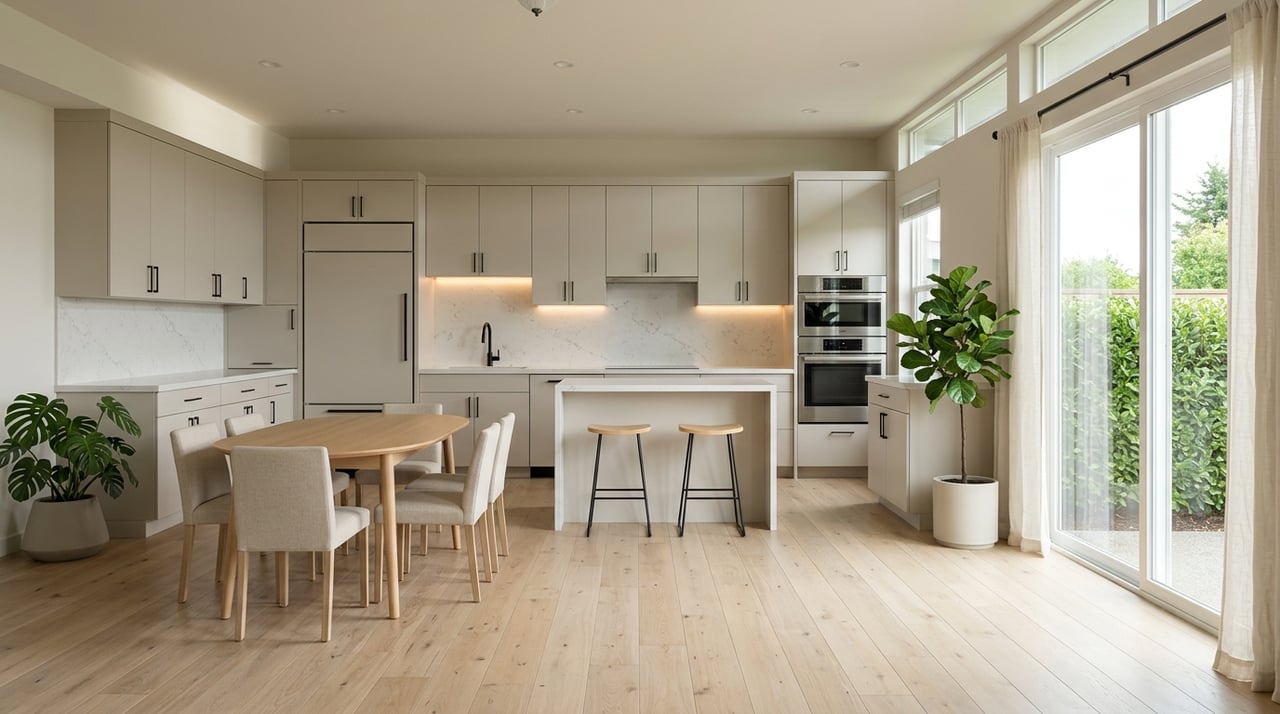
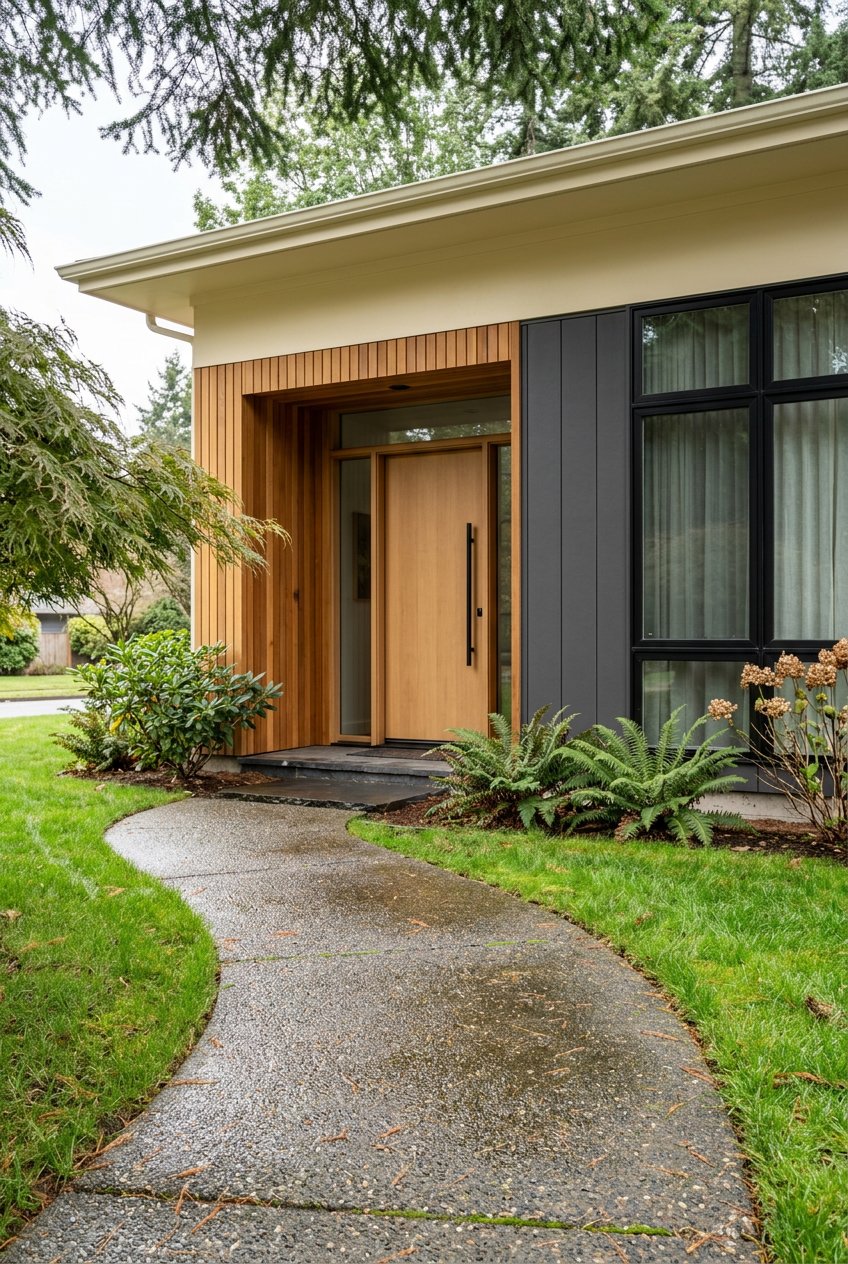
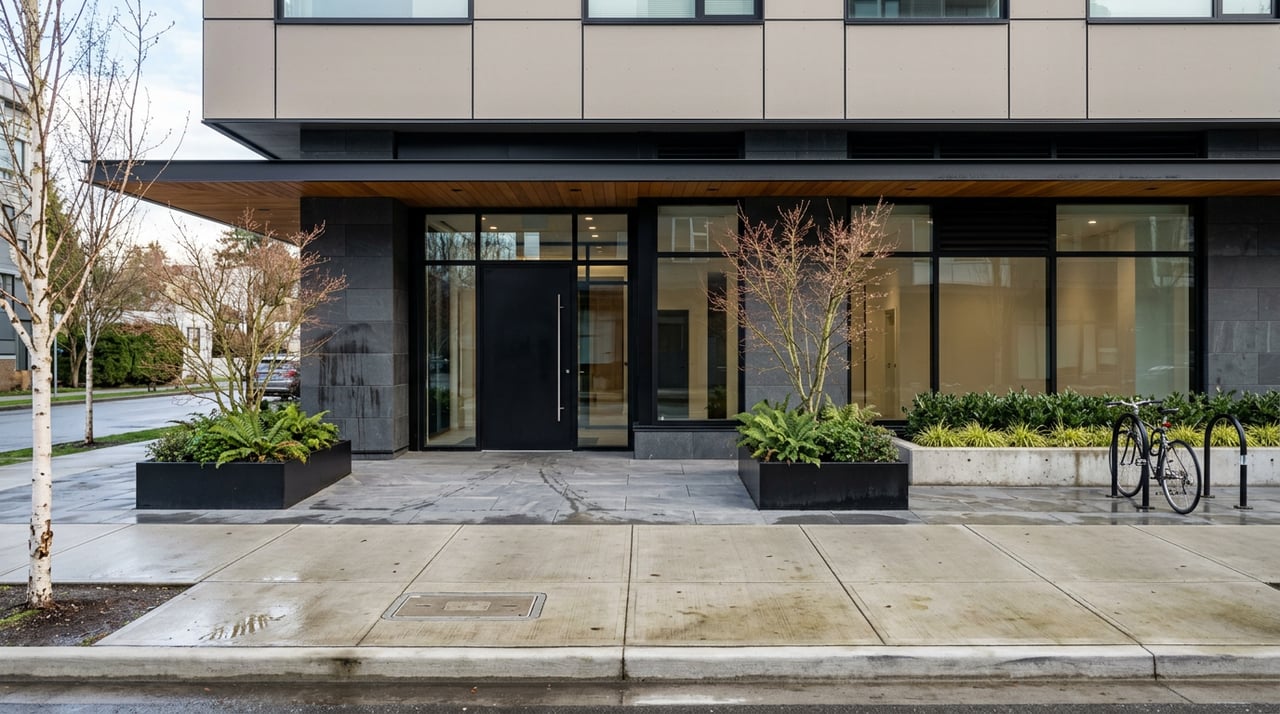
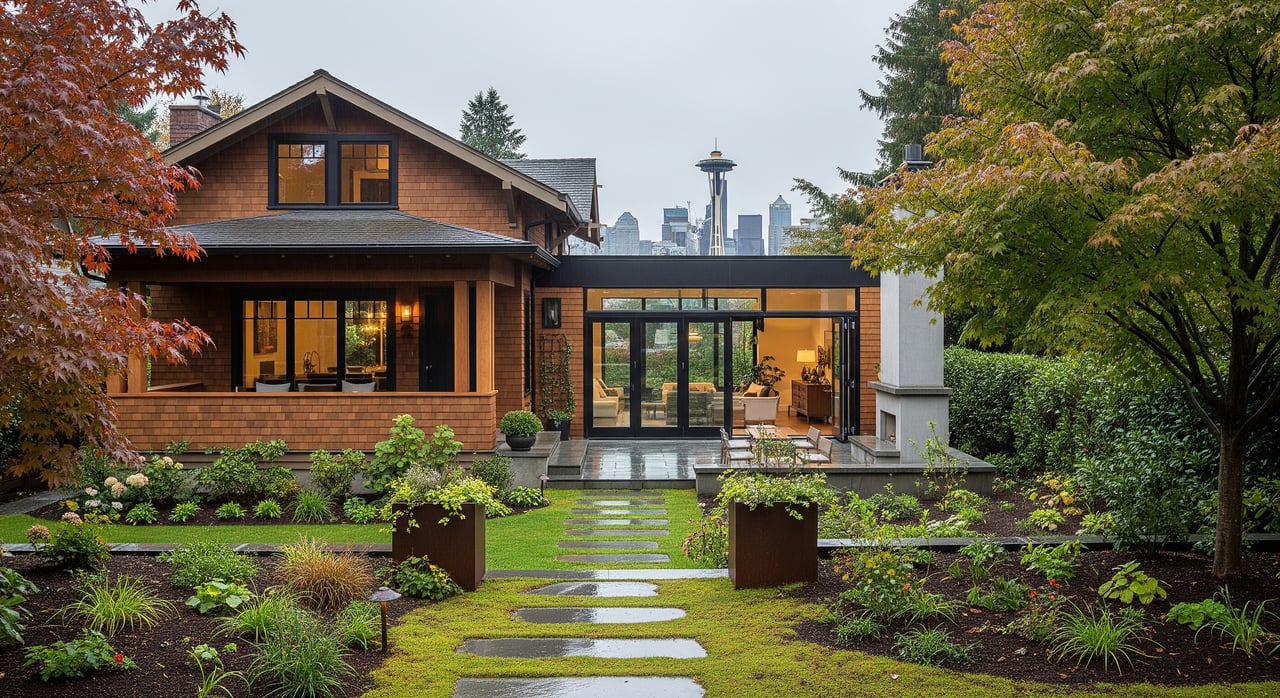
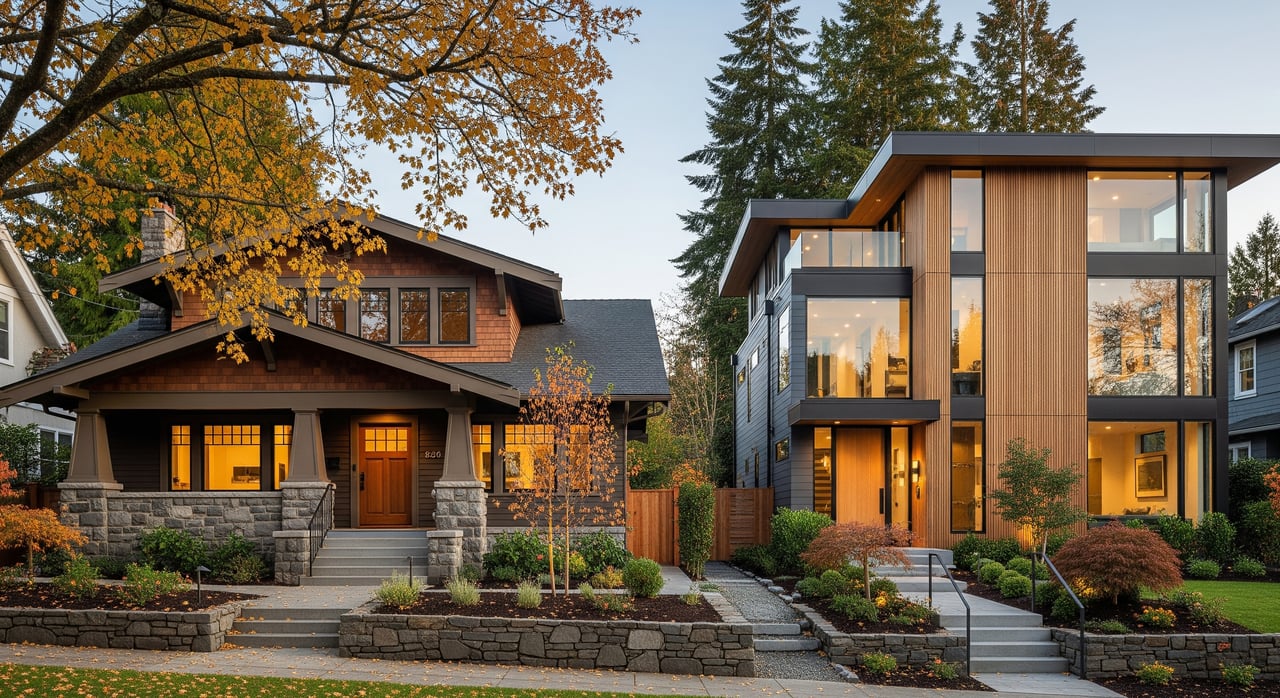
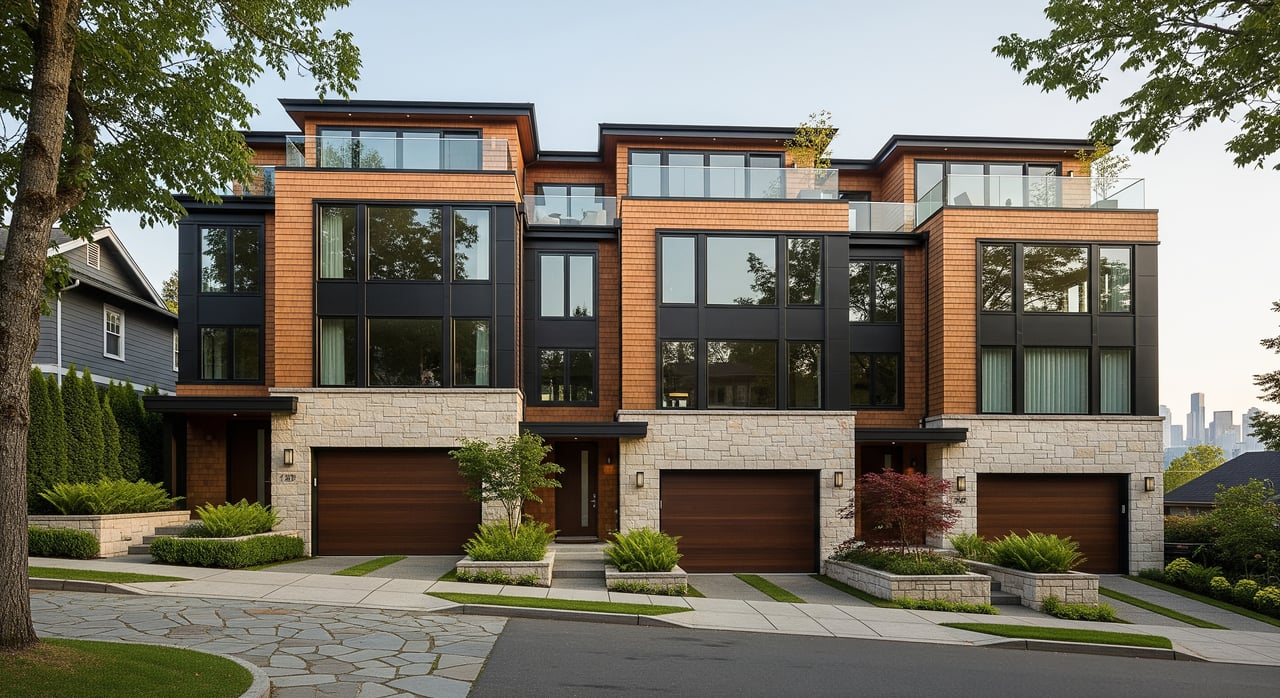
Are you eyeing a brand-new townhome near Green Lake or a modern single-family in Wallingford? Buying new construction in 98103 is exciting, but the process has more moving parts than a typical resale. With permits, warranties, inspections, and financing timelines to manage, a clear plan protects your budget and your move-in date. This checklist walks you through what to verify in Seattle so you can buy with confidence. Let’s dive in.
98103 new construction: what to expect
98103 covers Fremont, Wallingford, and Green Lake, where you’ll find active infill and low-rise to mid-rise projects alongside established streets. That creates great options, but also means you should expect nearby construction activity and evolving timelines.
- Permit and design review can add months. Seattle’s process can shift delivery dates. Use the city’s resources to verify a specific lot’s status with the Shaping Seattle permit map.
- Occupancy is not automatic at “completion.” Seattle requires a Certificate of Occupancy, or in some cases a Temporary Certificate of Occupancy (TCO) with strict conditions. Always confirm CO or TCO status through the city’s guidance on construction and occupancy procedures.
- Pricing often tracks broader Seattle trends. In 98103, new builds typically list near the overall city median. Focus on recent local comps and builder-delivered features to anchor value.
Step 1: Verify the builder and warranty
Choosing a reputable builder is your best risk control. Start with these checks before you sign.
Confirm registration and insurance
- Ask for the contractor’s Washington L&I registration number and legal business name.
- Verify licensing, bond, and insurance on the state’s L&I consumer tool.
Review permits and public records
- Look up the project’s permits and inspection history on the city’s permit map or file. Ask for permit numbers and design-review notes.
- Search county court portals for litigation involving the builder on past projects. You are looking for patterns, not one-offs.
Understand Washington warranty rights
- Washington provides a statutory timing backdrop for construction claims. Most construction-related claims must accrue within six years after substantial completion under RCW 4.16.310.
- In 2022, the Washington Supreme Court held that a one-year claim deadline buried in a residential construction contract was unconscionable in a specific case. The ruling in Tadych v. Noble Ridge Construction signals that short boilerplate limitations may not override statutory rights. If you see unusual limitation language, flag it for legal review.
Ask for the full warranty booklet
- Many builders use a “1-2-10” structure: 1 year for workmanship and finishes, 2 years for systems, and 10 years for structural components. Confirm whether the structural coverage is administered or insured by a third party. Programs like 2-10 Home Buyers Warranty provide an independent path if a builder becomes unresponsive.
- Request the claims process in writing, including timelines, documentation standards, and whether coverage transfers to a future owner.
Step 2: Nail down permits and occupancy
Permits and occupancy status affect your lender, your closing, and your move date.
- Get the permit numbers upfront. Use the Shaping Seattle permit map to confirm approvals, inspections, and any design-review steps.
- Confirm CO or TCO. Before closing or moving, verify whether the building will deliver with a final Certificate of Occupancy. If a TCO is planned, ask what items remain, how the city will sign off, and what that means for your lender. Seattle publishes TCO procedures through its Fire Department’s construction inspections guidance.
- Clarify phase delivery. In multi-home projects, some homes may be ready before others. Ask how site work, common elements, or utility tie-ins could impact your unit’s occupancy.
Step 3: Plan independent inspections
City inspectors check code compliance, not contract quality. Independent inspections protect your interests and documentation.
- Schedule key checkpoints. Common touchpoints include pre-drywall, final pre-settlement, and an 11-month review before workmanship coverage ends. See a detailed overview of new-construction inspection timing from an independent source here.
- Bring your paperwork. Take your signed contract, selections, and any upgrade addenda to inspections to verify scope and finishes.
- Document your punch list. At the final walkthrough, note items room by room, take photos, and get correction timelines in writing. Keep a central file of all emails, photos, and receipts.
- Use specialists when needed. If an inspector flags potential structural, envelope, or drainage issues, bring in a structural engineer or building-envelope specialist for a focused review.
Step 4: Get financing and appraisal strategy right
Financing a new build looks different depending on completion status. A smart plan can save you money and stress.
Choose the right loan for build status
- Completed spec or inventory homes typically use conventional, FHA, or VA financing with a standard appraisal and CO requirement.
- Homes still under construction may require a construction-to-permanent loan or a construction loan with later conversion to a permanent mortgage. Ask about draw inspections, who pays for them, and how long you can hold a rate lock.
Anticipate appraisal risk
Appraisers rely on comparable sales. When a micro-neighborhood has few new-build comps, the appraisal may lean on older sales or cost adjustments. That can increase the chance of a low appraisal versus your contract price. Review practical strategies to prepare for that risk in this appraisal process overview.
Consider these tactics:
- Keep an appraisal contingency when comps are thin.
- If you reduce or waive the contingency, negotiate a defined remedy for a shortfall, such as a price reduction formula or a capped buyer bridge.
- Ask the builder to contribute to rate buydowns or closing costs within program limits to preserve cash for a potential gap.
Model builder incentives the right way
Builders often offer credits or rate buydowns. Lenders classify these as Interested Party Contributions, and they have maximums tied to your down payment. Review the limits with your lender and make sure any concession is documented properly on your closing statement. Fannie Mae outlines how IPCs are treated in its selling guide.
If you plan to use FHA or VA
- New-construction condos, and some townhome projects, may require project-level approval for FHA or VA loans. If you need FHA or VA financing, ask early whether the development is approved or when approval is expected. Learn how to check project approvals with this VA condo approval overview.
Step 5: Use this 98103 buyer checklist
Bring this checklist to model-home tours and builder meetings. It keeps your process simple and focused.
Before touring or signing
- Get pre-approved and ask your lender about loan options for unfinished homes. Confirm lock terms and what happens if the build runs long.
- Request the builder’s legal name, L&I registration number, and proof of insurance. Verify the details using the state’s L&I verification tool.
- Search the project on the city’s permit map. Ask for permit numbers, whether design review occurred, and the reviewer’s contact information. Check the Shaping Seattle map.
At the model home or presentation
- Ask for the full purchase contract, list of included features, and the upgrade price sheet.
- Request the entire warranty booklet and claims procedure. Confirm who administers structural coverage and whether it is insurance-backed, such as a 1-2-10 style program. If you see a one-year litigation deadline in the fine print, remember the signal from Tadych and ask for legal input before signing.
- Get permit and inspection printouts with the plan for occupancy. Ask whether the builder expects a final CO or a TCO, and where you will see that status recorded in the file. Use the city’s construction and occupancy guidance to frame your questions.
- If it is a condo or townhome, request CC&Rs, budget, reserve study, and developer-control timeline. If you might use FHA or VA, confirm whether the project is, or will be, approved and review steps in this VA approval guide.
- If incentives are offered, get them in writing. Confirm with your lender that credits or buydowns stay within the Fannie Mae IPC limits.
Inspection and pre-closing
- Schedule independent inspections for pre-drywall and final. Plan an 11-month inspection before workmanship coverage ends. See timing examples here.
- At the final walk, create a room-by-room punch list with photos. Agree on timelines and who signs off when corrections are complete.
- Before closing, obtain proof of final inspections and CO, or a documented TCO plan. Confirm in writing that any punch-list items will be handled under the warranty with scheduled dates.
Post-closing
- Calendar an 11-month warranty review. Keep a chronological file of all communication, photos, and receipts.
- For structural or envelope concerns, preserve your records and be aware of the statutory timing backdrop in RCW 4.16.310.
How we help you win in 98103
Buying new construction is about preparation. You get one chance to set terms that protect your money and your timeline. Our team pairs neighborhood insight across Fremont, Wallingford, and Green Lake with financing fluency to help you verify permits, negotiate meaningful protections, and plan your inspections and appraisal strategy with confidence.
If you are weighing a specific builder or project, we will help you read the file, confirm the occupancy path, and pressure-test the financing and appraisal plan so you can write the strongest offer for your goals. Ready to walk a model or review a contract? Connect with The Rachel Olson Group for clear, finance-informed guidance tailored to your move.
FAQs
What should I verify first when buying a new build in 98103?
- Start with the builder’s L&I registration, the project’s permit numbers on the city map, and whether the home will deliver with a final CO or a TCO.
Do I still need an inspection on a brand-new Seattle home?
- Yes; city inspections check code, not quality, so plan independent pre-drywall, final, and 11-month inspections to document issues and support warranty claims.
How do builder warranties work in Washington?
- Many builders offer 1-2-10 coverage; Washington’s statute of repose sets a six-year accrual period for most construction claims, and courts have scrutinized very short claim deadlines.
What is appraisal risk with new construction in Seattle?
- When there are few recent new-build comps nearby, the appraisal may come in low versus contract price, so use an appraisal contingency or negotiate clear remedies.
Can I use FHA or VA for a new townhome or condo in 98103?
- Often yes, but many projects need FHA or VA approval at the project level, so verify approval status early if you plan to use government-backed financing.