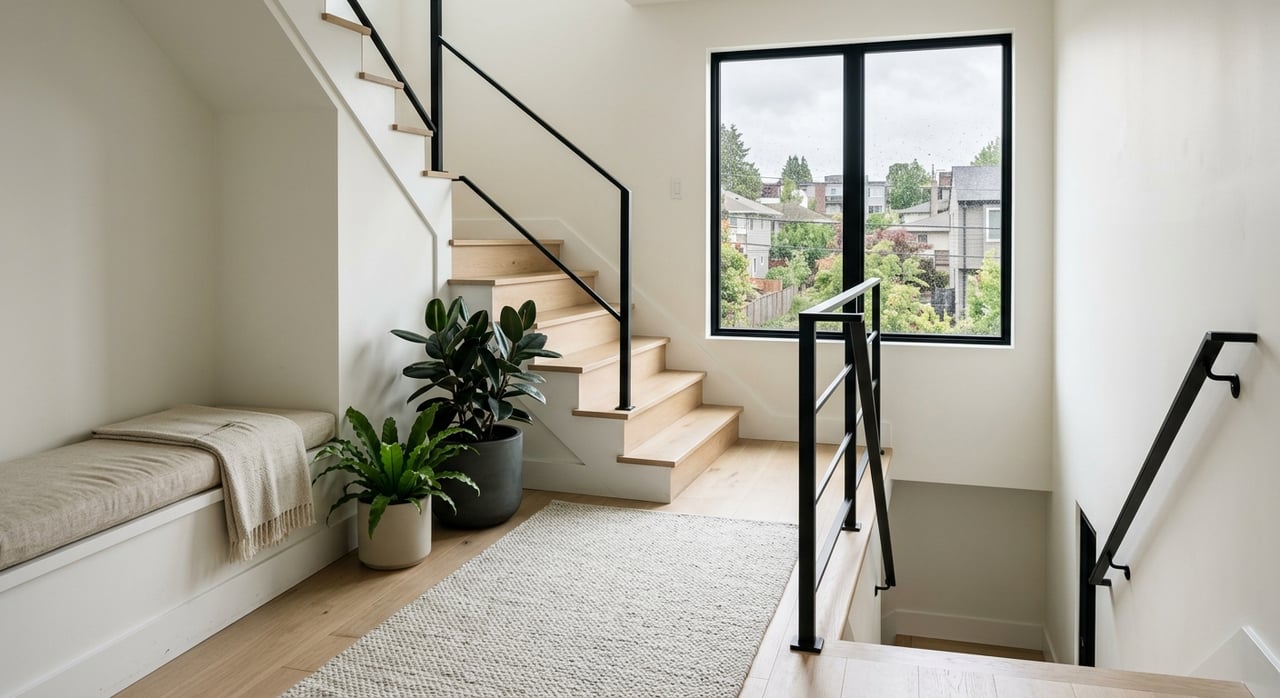
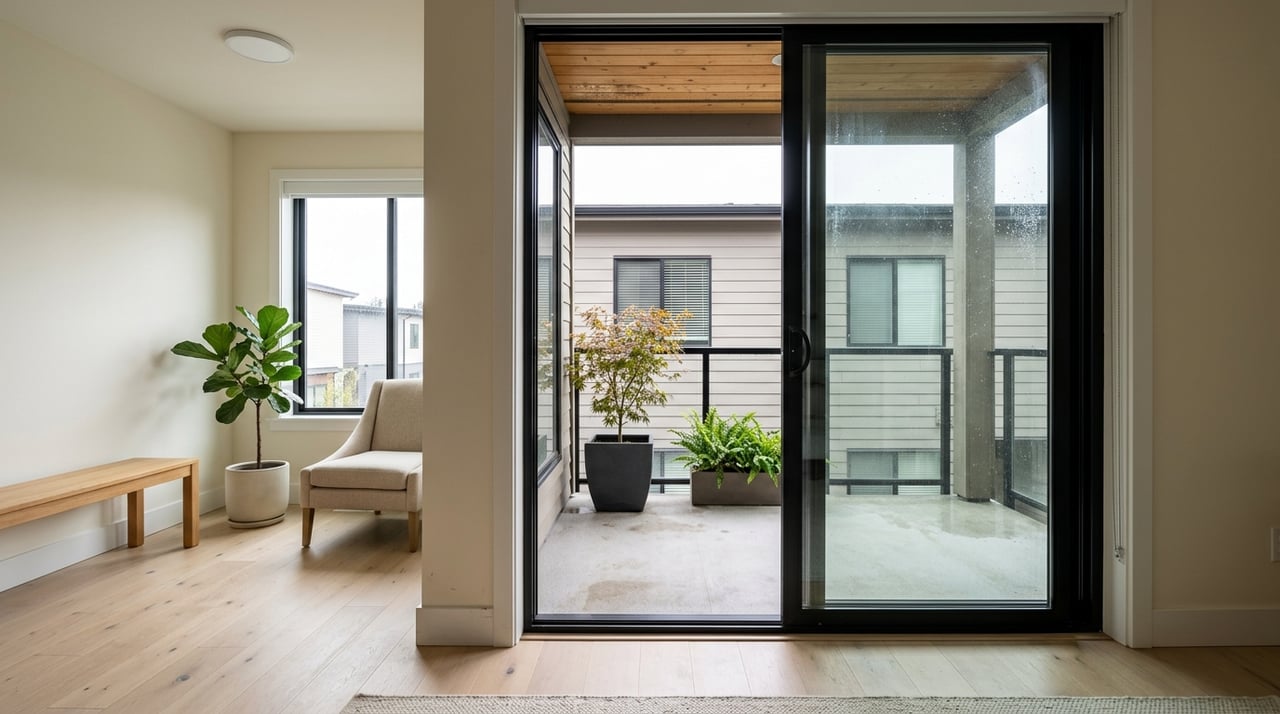
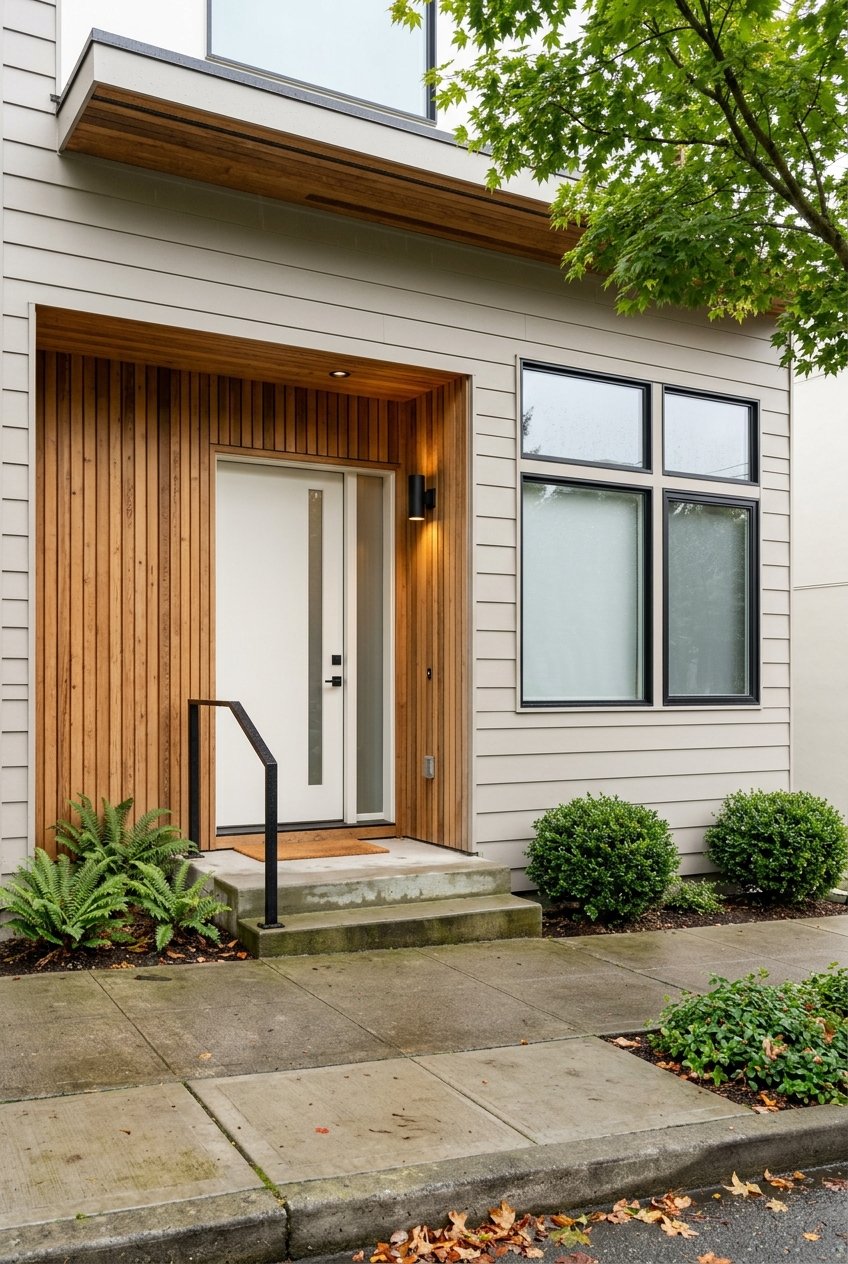
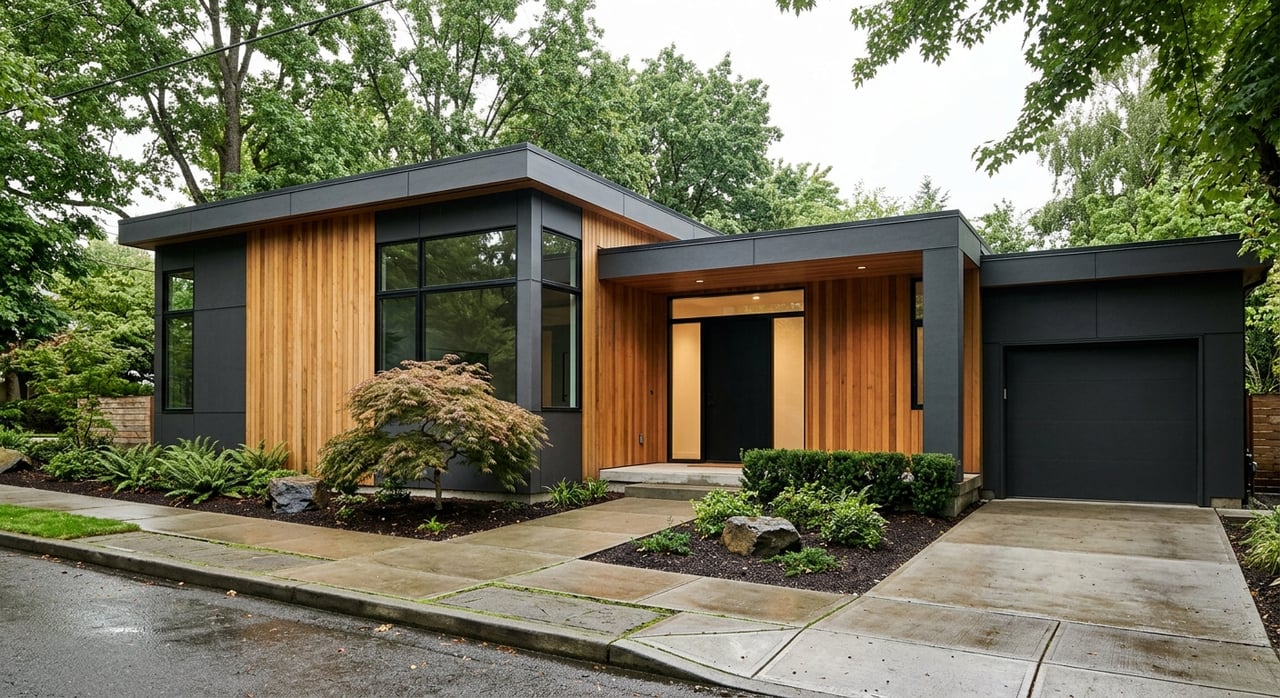
Do you love the warmth of a front porch bungalow or the clean lines of a glassy new build? In Seattle’s 98103 and nearby neighborhoods, architecture tells the story of the city’s growth. Whether you are buying or selling, knowing how to spot key styles and what local buyers value can help you make confident decisions. In this guide, you will learn the hallmark features of Craftsman, Tudor, Mid-Century, and Contemporary homes, plus smart updates that protect character and boost appeal. Let’s dive in.
Why Seattle homes look this way
Seattle’s housing mix reflects several building booms. Early 1900s expansion brought waves of Craftsman bungalows. Interwar years added revival styles like Tudor. Postwar growth introduced Mid-Century designs in emerging suburbs. Recent infill near transit and job centers added Contemporary homes.
Some areas fall under the City’s preservation and design oversight. The Seattle Department of Neighborhoods Historic Preservation program and Landmarks Preservation Board manage landmark properties and districts that can limit exterior changes. Even outside landmarks, design review zones and development standards can shape additions and facade work near arterials and in urban villages.
Quick style cheat sheet
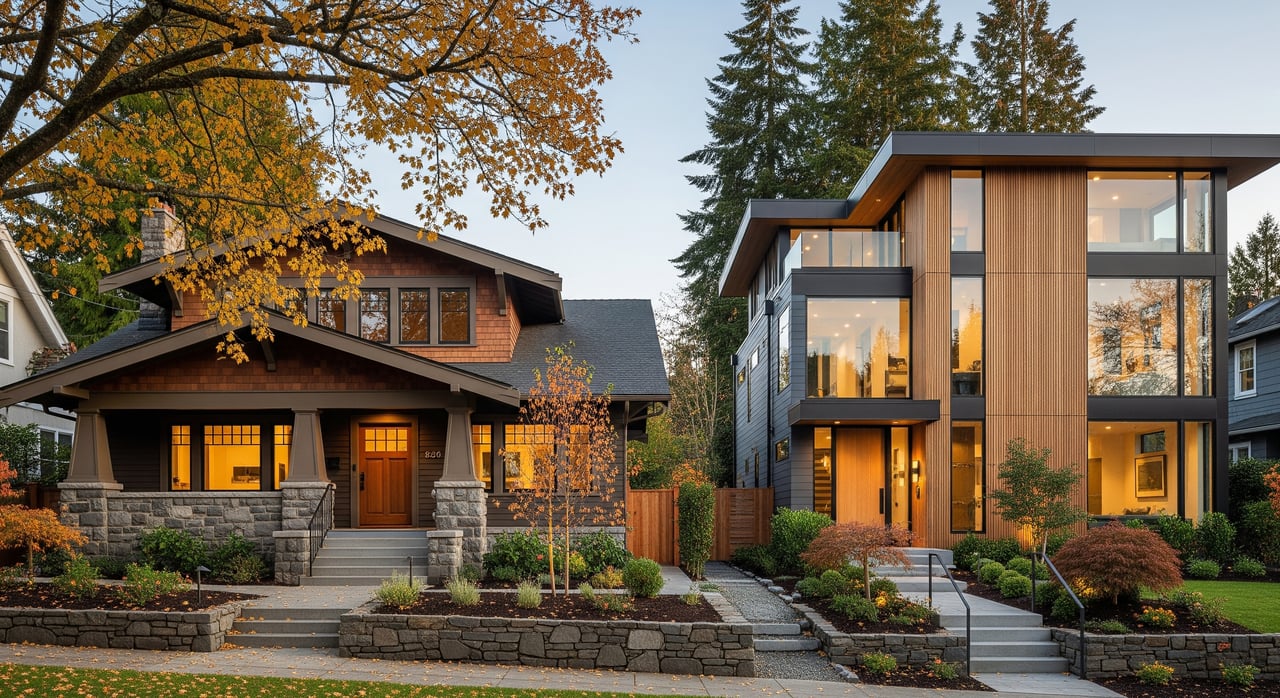
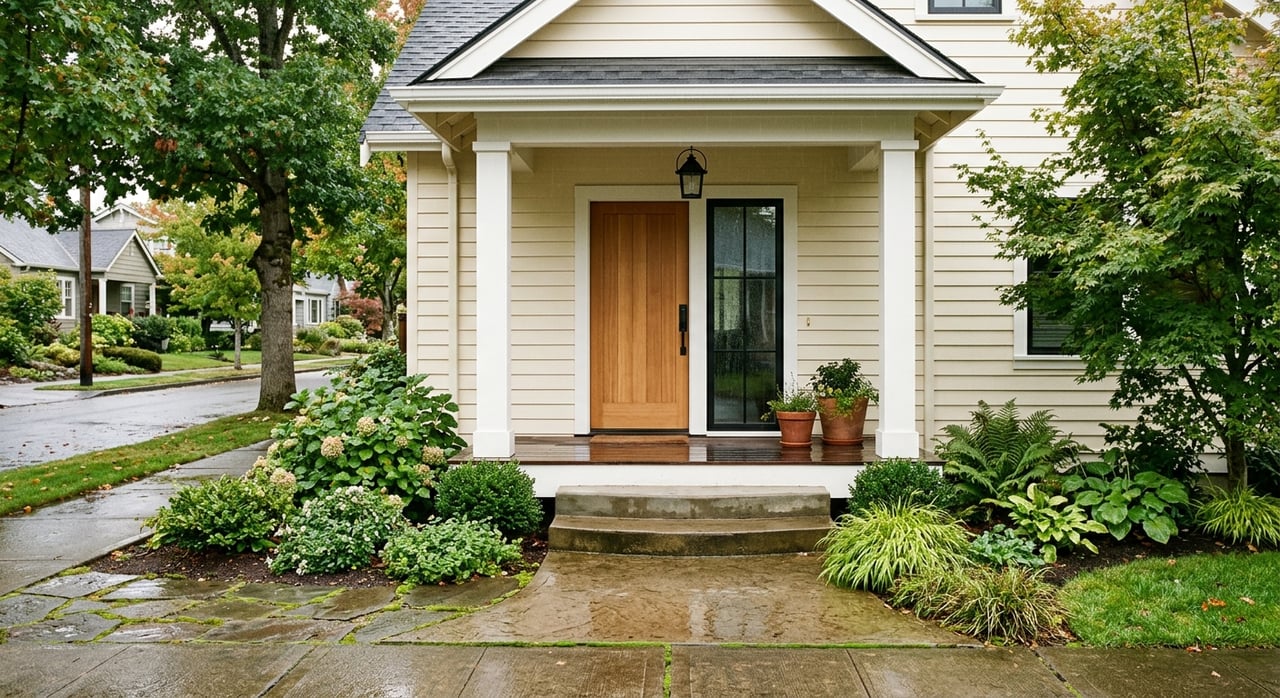
- Low, wide porch with exposed rafters and big tapered columns → Craftsman.
- Steep roofs with half-timbering or arched doorways → Tudor.
- Long horizontal lines with large picture windows and minimal trim → Mid-Century Modern.
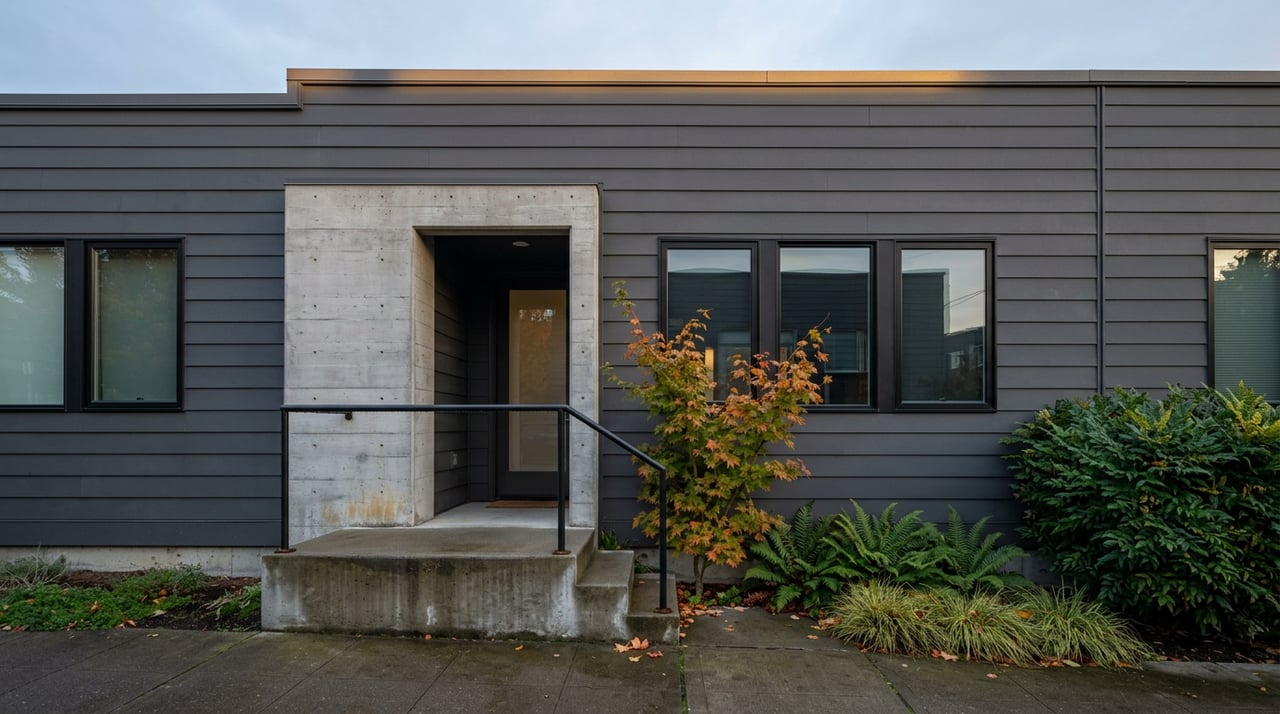
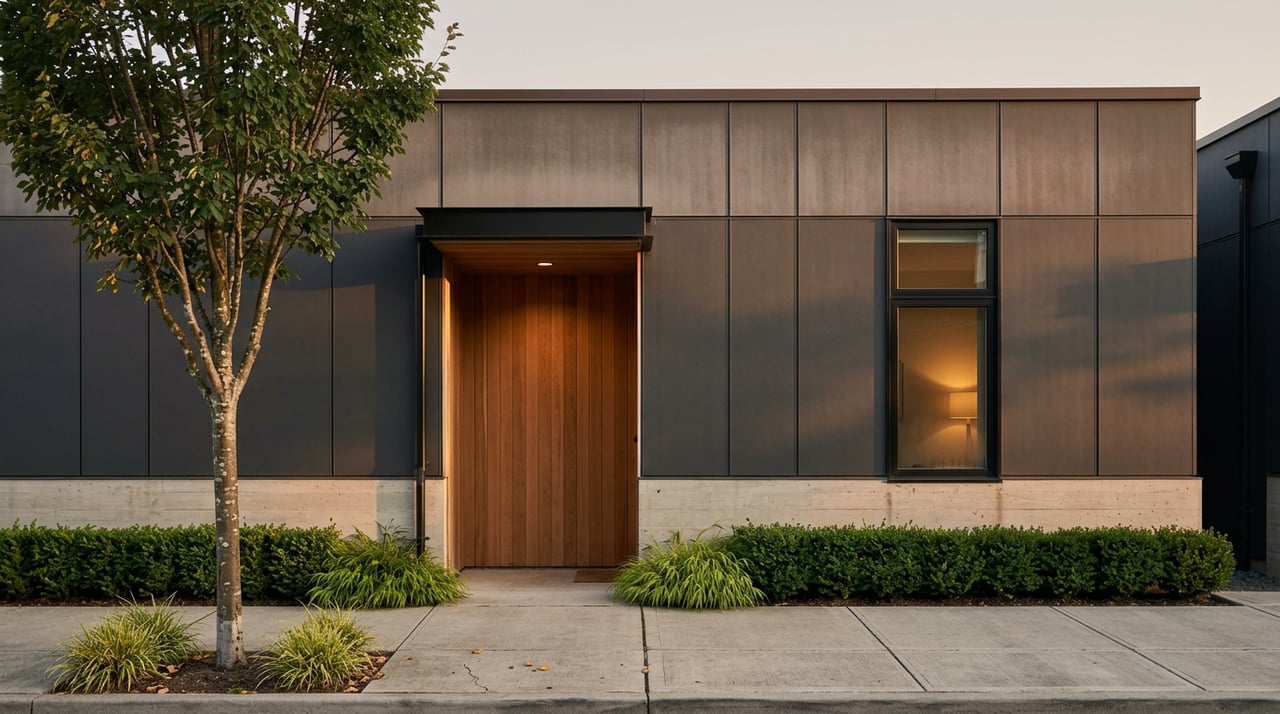
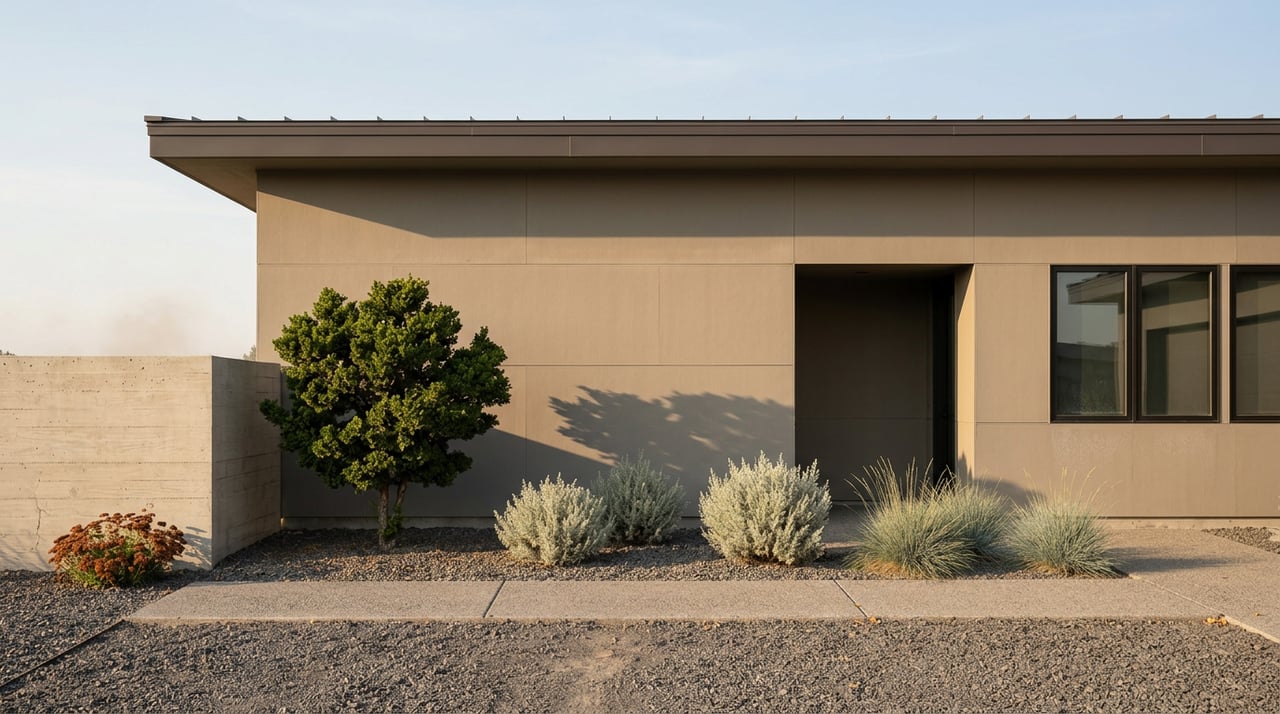
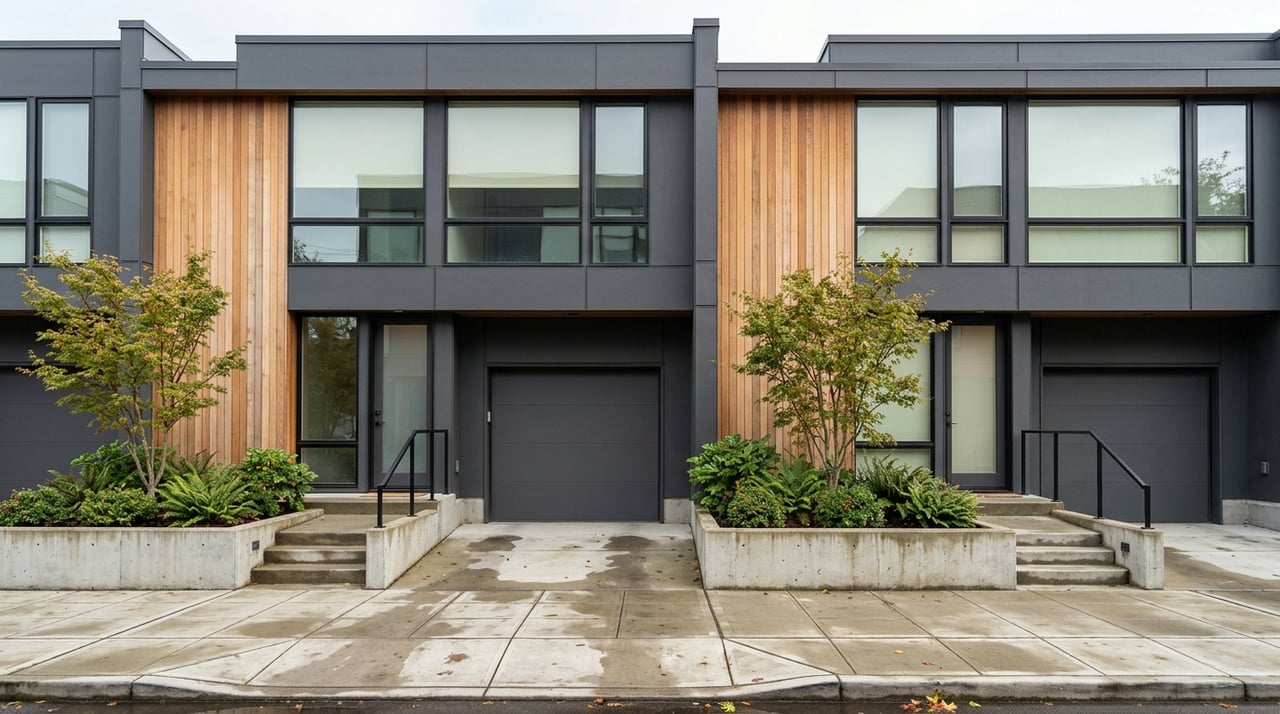
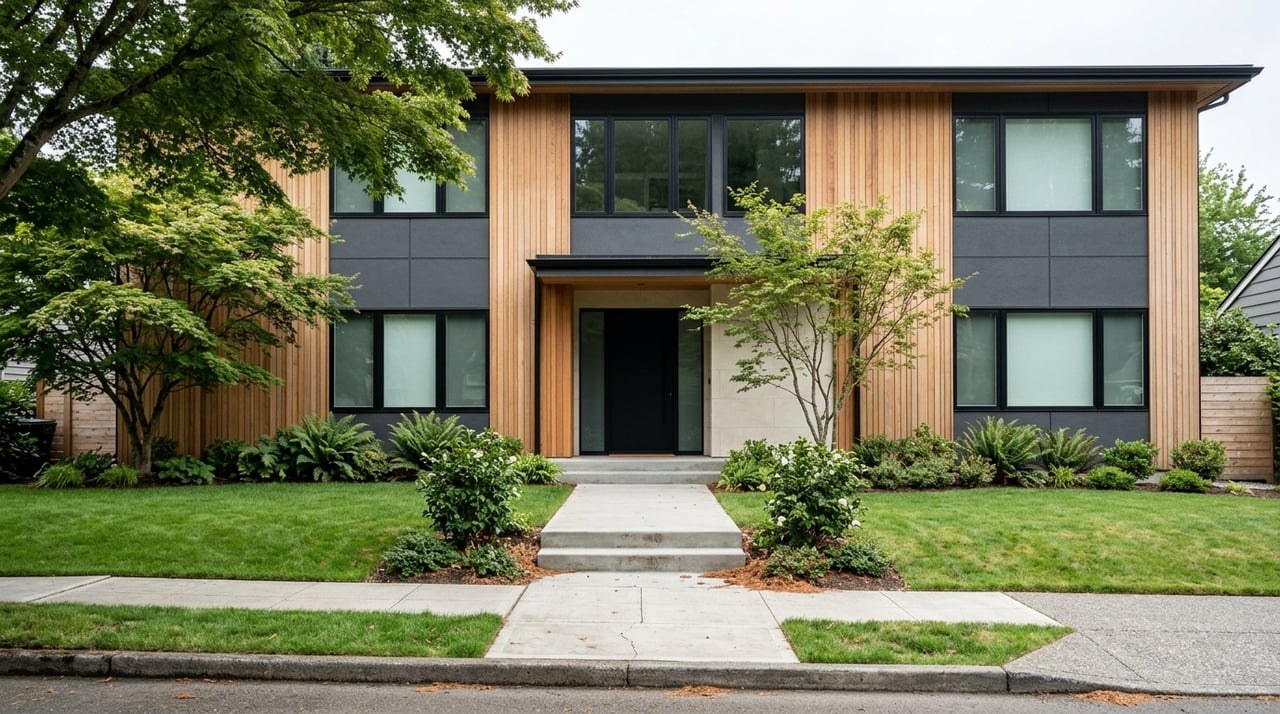
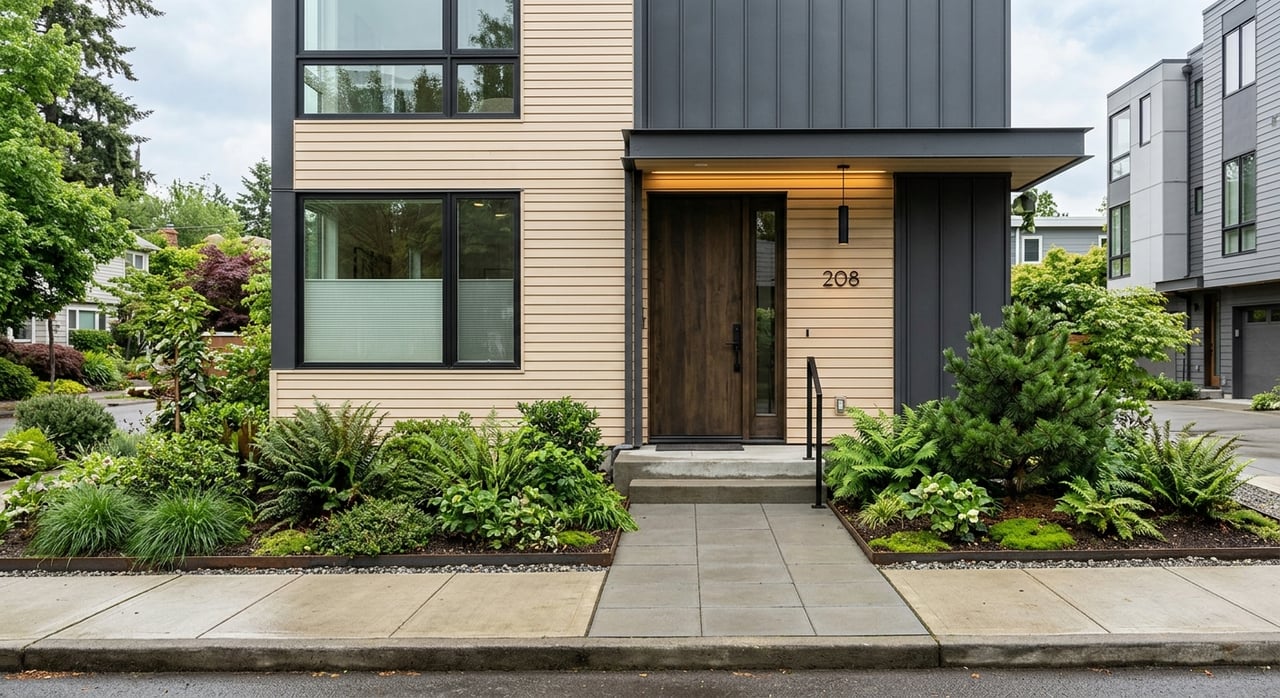
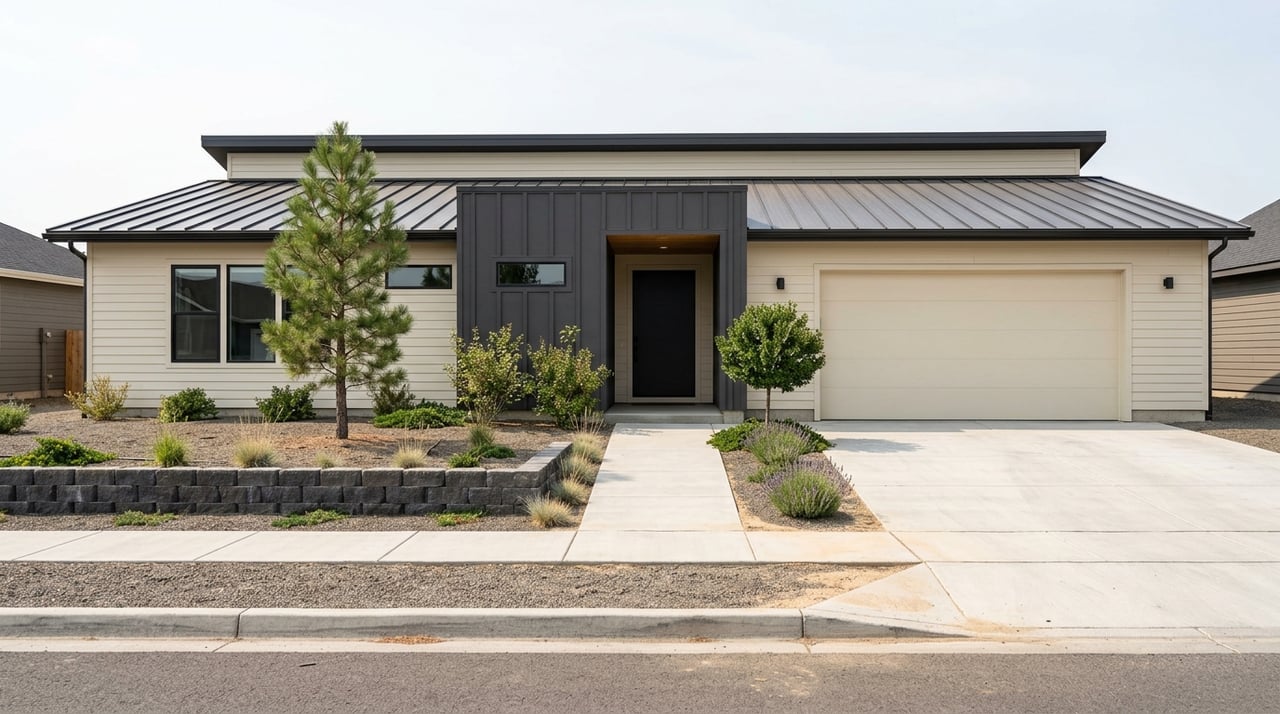
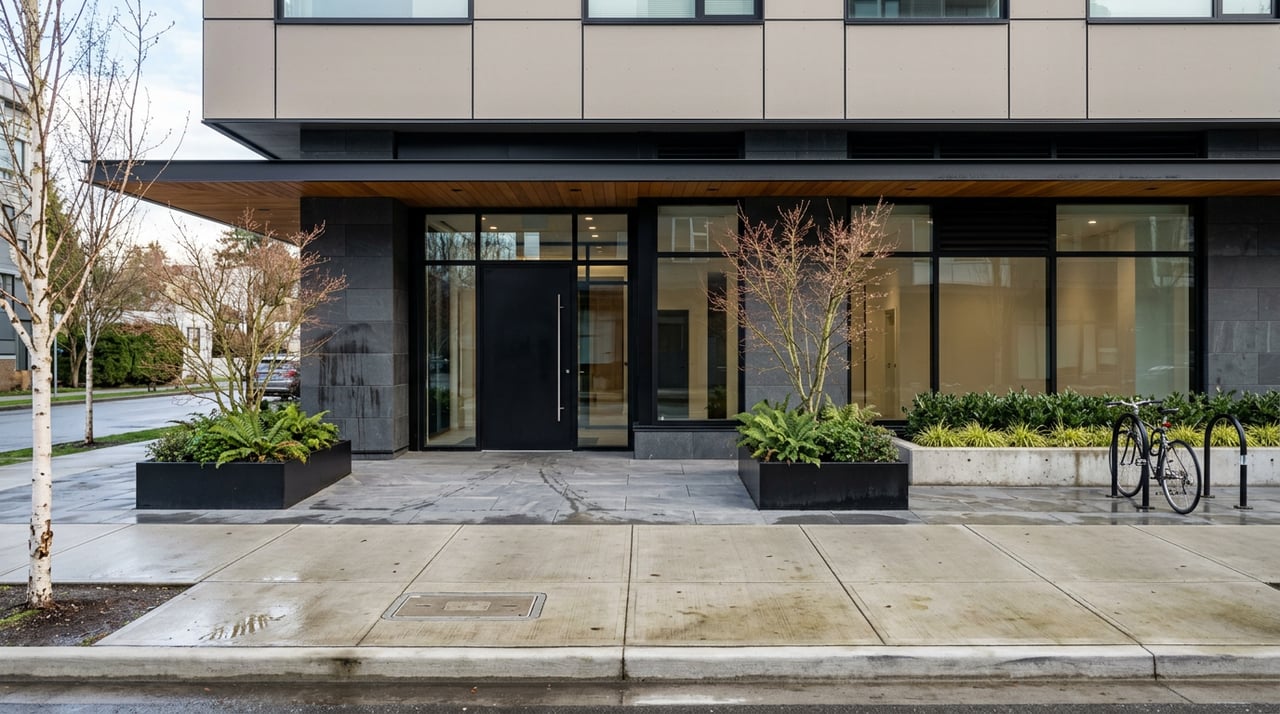
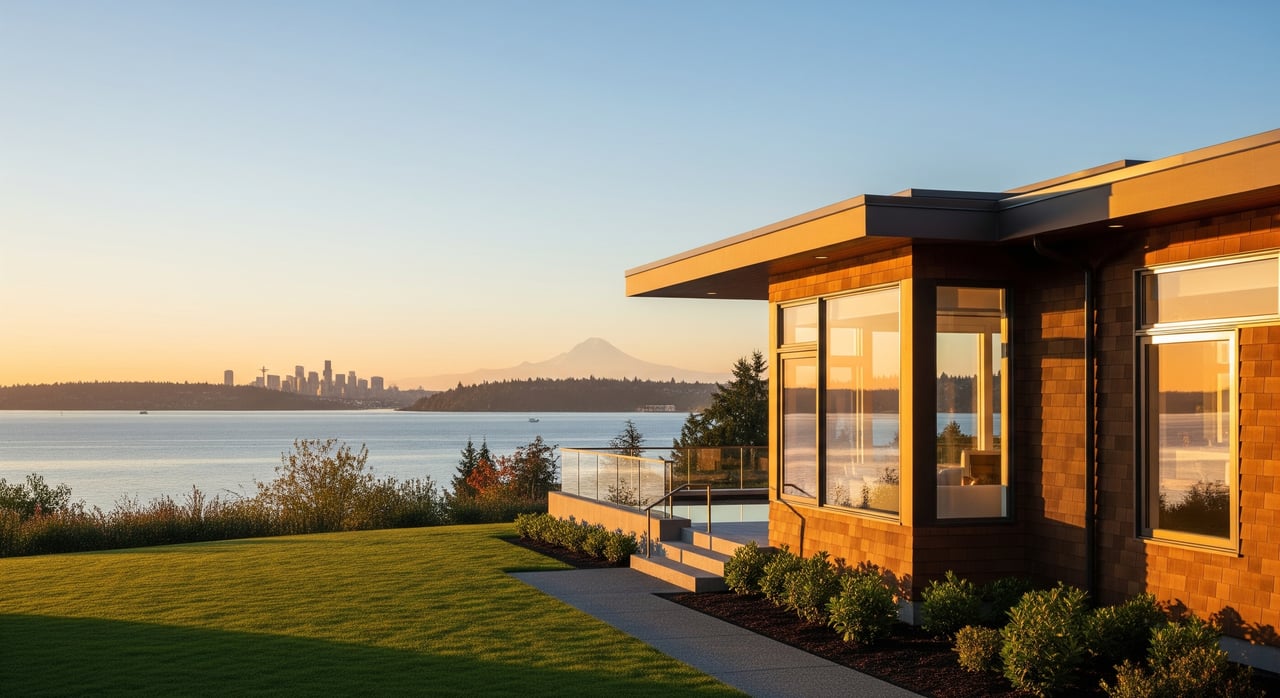
- Boxy forms with large glazing and fiber cement or metal cladding → Contemporary.
Craftsman and Bungalow (1905–1930)
How to recognize
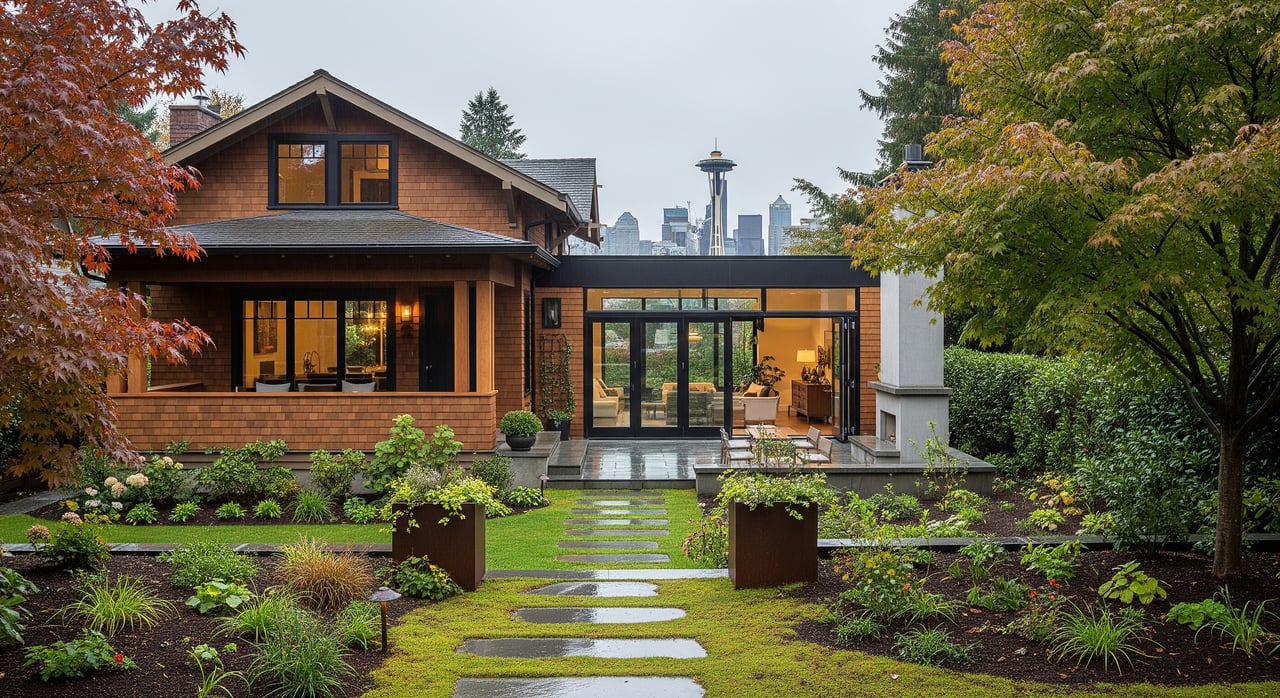
- Low-sloped gabled or hipped roof with wide eaves and exposed rafter tails.
- Large covered front porch with tapered square columns on brick or stone piers.
- Natural wood siding, with multi-pane upper window sashes over single lower sashes.
Inside features buyers love
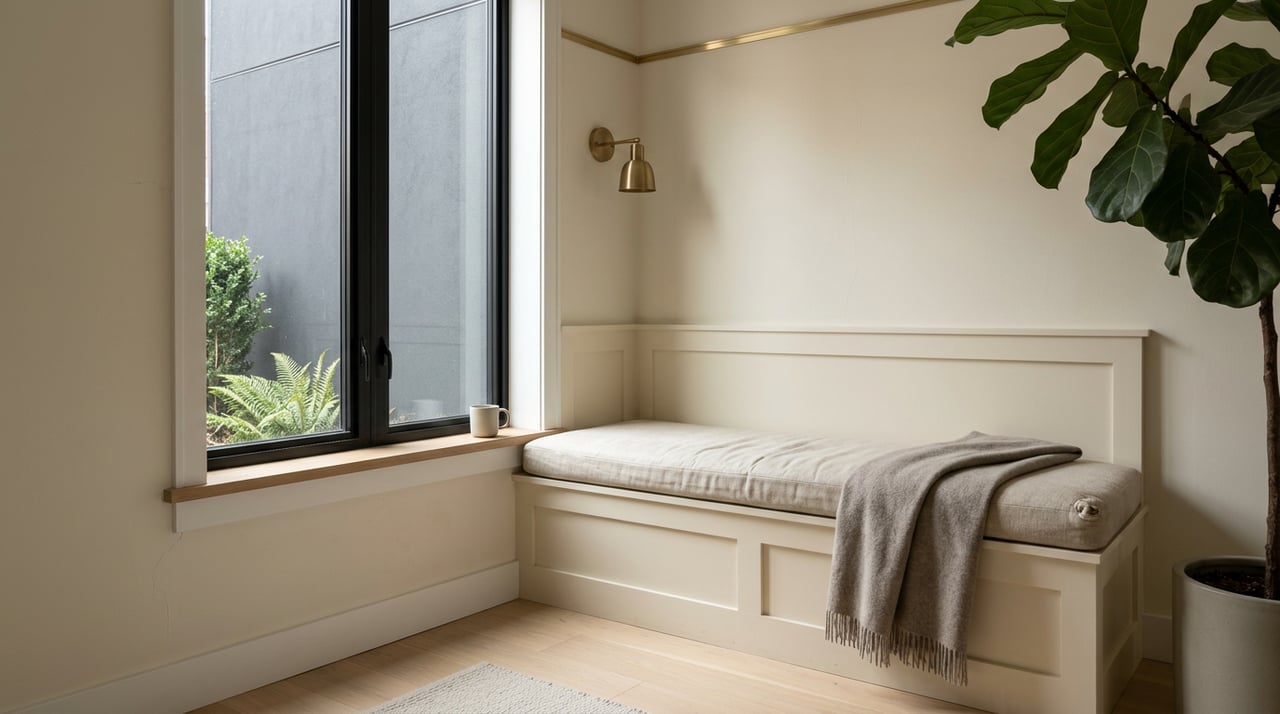
- Built-ins like bookcases and window seats, plus hardwood floors.
- Substantial wood trim, wainscoting, and a central fireplace with tile or stone.
- Open yet room-defined layouts that feel warm and functional.
Light-touch updates that fit
- Refinish original floors and repair wood trim rather than replacing.
- Update kitchens with new appliances, counters, and lighting while keeping built-ins.
- Restore original windows with sash repair, glazing, and weatherstripping; add storm windows for efficiency.
- Fresh exterior paint in historically appropriate tones and porch staging for curb appeal.
Tudor Revival (1915–1940)
How to recognize
- Steeply pitched, cross-gabled roofs and storybook curb appeal.
- Decorative half-timbering with stucco infill on upper facades.
- Tall, narrow multi-pane windows, prominent chimneys, and arched entries.
Inside features buyers value
- Arched interior openings, detailed wood trim, and leaded glass in some homes.
- Cozy, well-proportioned rooms and fireplaces with brick or stone surrounds.
Light-touch updates that fit
- Preserve original windows when possible with careful repairs and weatherstripping.
- Choose lighting and hardware that complement the style without heavy ornament.
- Refresh baths while respecting period tile or profiles, and keep the masonry attention-ready.
Mid-Century Modern (1945–1975)
How to recognize
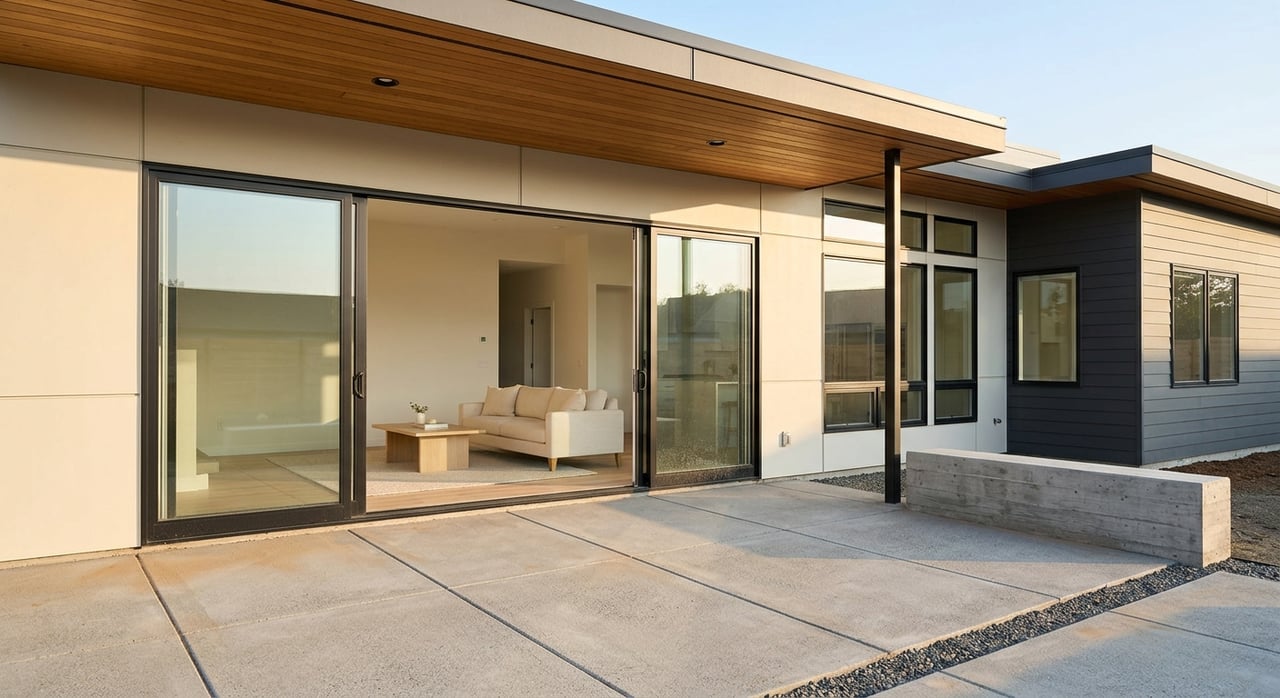
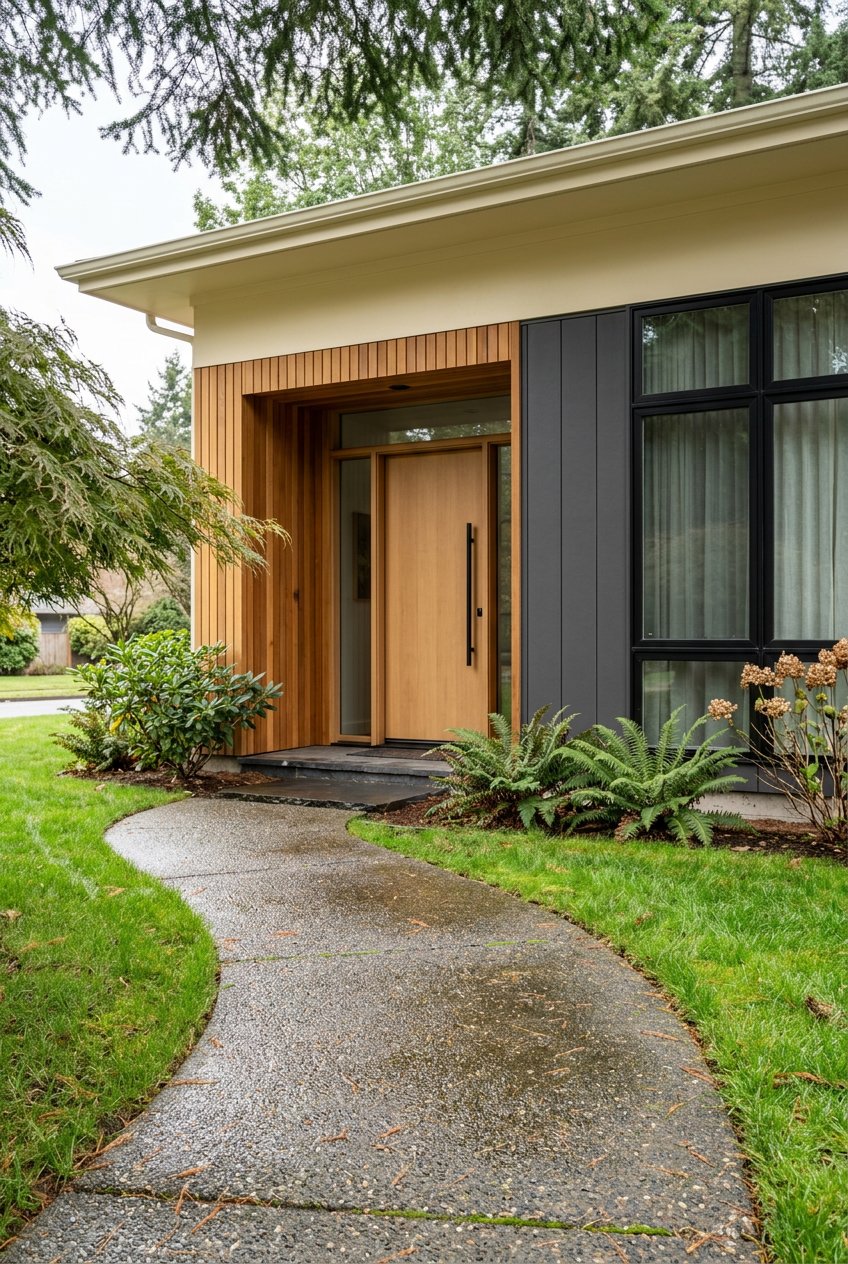
- Low-pitched or flat roofs, wide eaves, and a strong horizontal profile.
- Large panes of glass, clerestory windows, and sliding doors that connect to patios.
- Post-and-beam elements in some homes with wood, brick, or block.
Inside features buyers value
- Open plans, minimal trim, and indoor-outdoor flow.
- Original built-ins and period fixtures that reinforce the design.
Light-touch updates that fit
- Keep the open feel by minimizing heavy trim or window coverings.
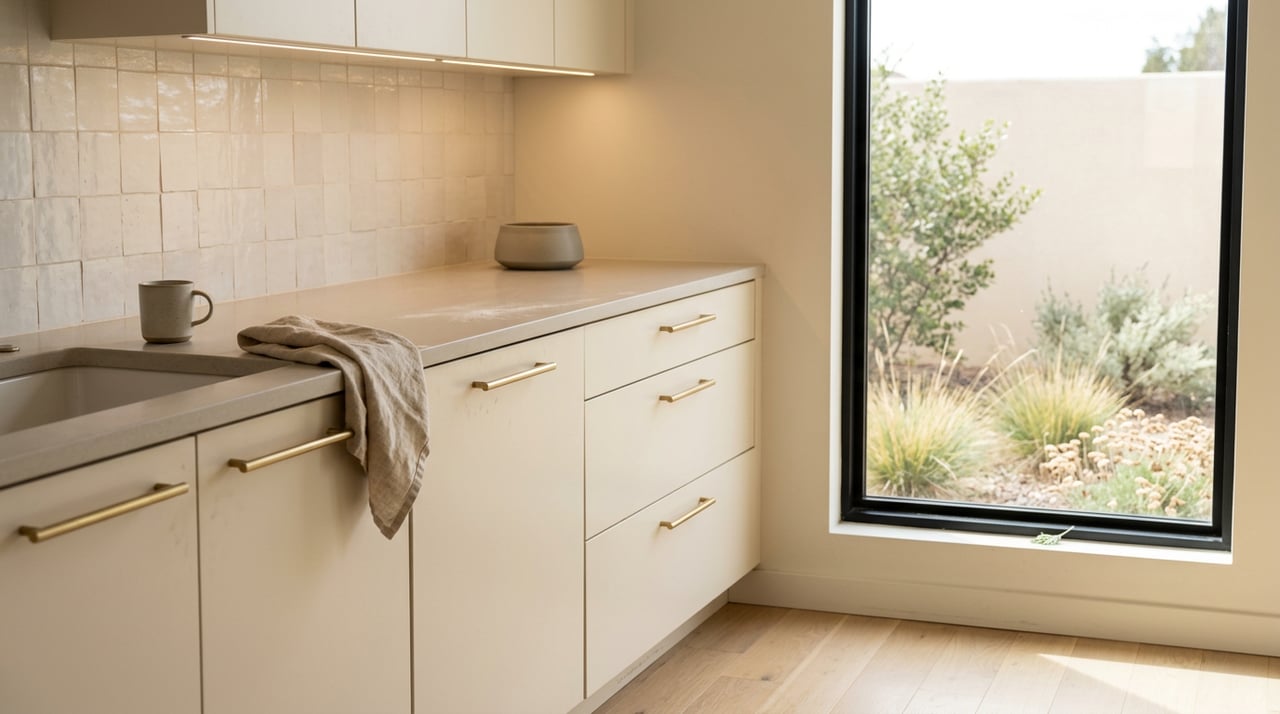
- Update kitchens with simple, clean-lined cabinets and modern appliances.
- Consider ductless heat pumps to improve comfort without invasive ductwork.
- Restore original windows where feasible; pair with insulation and air sealing.
Contemporary new builds (2000s–present)
How to recognize
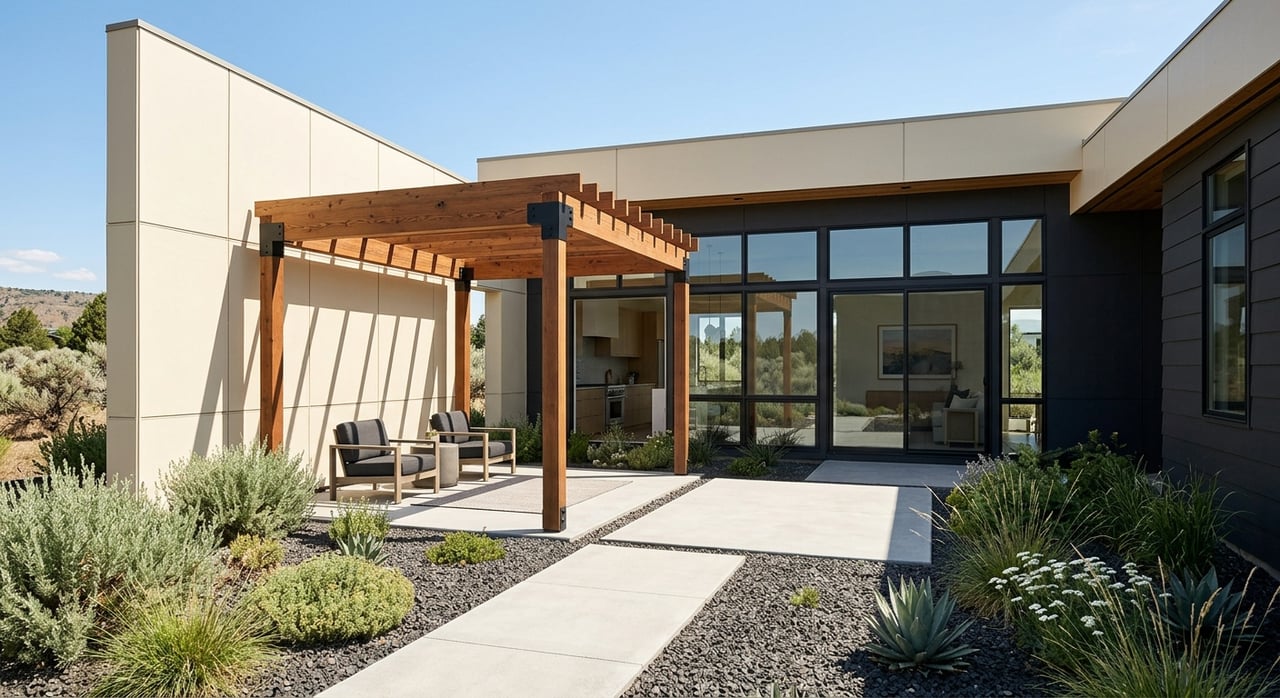
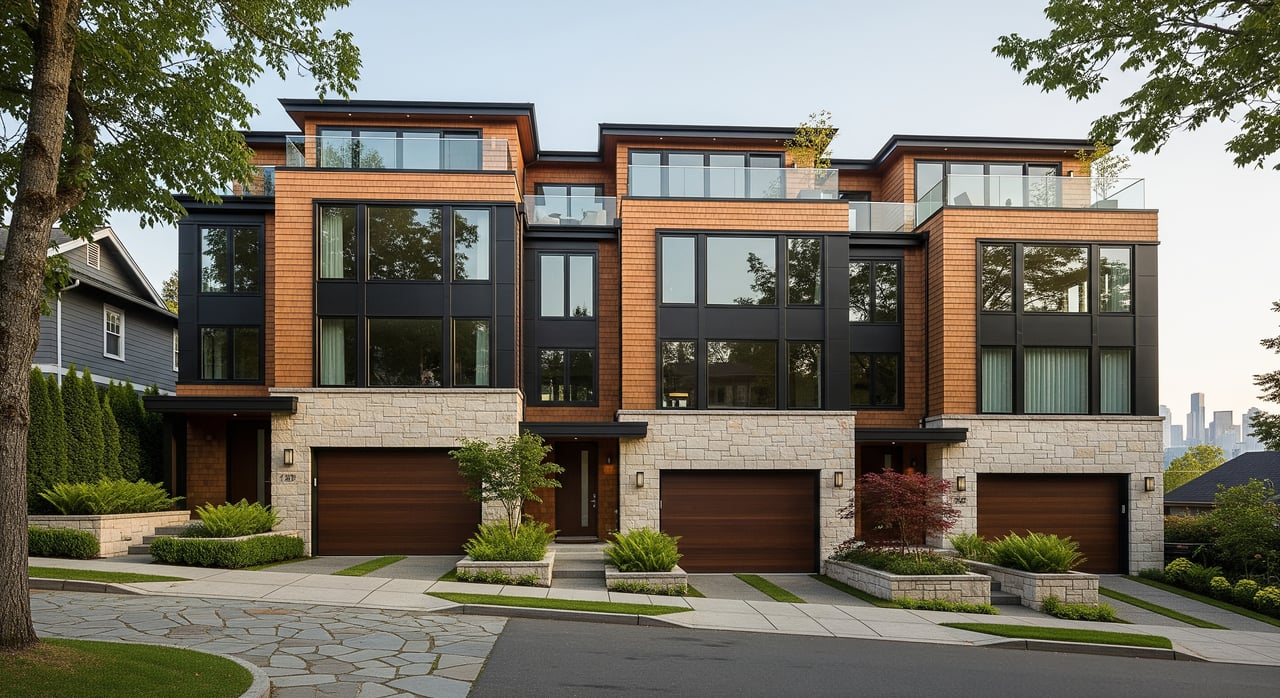
- Boxy or rectilinear forms with flat or shed roofs.
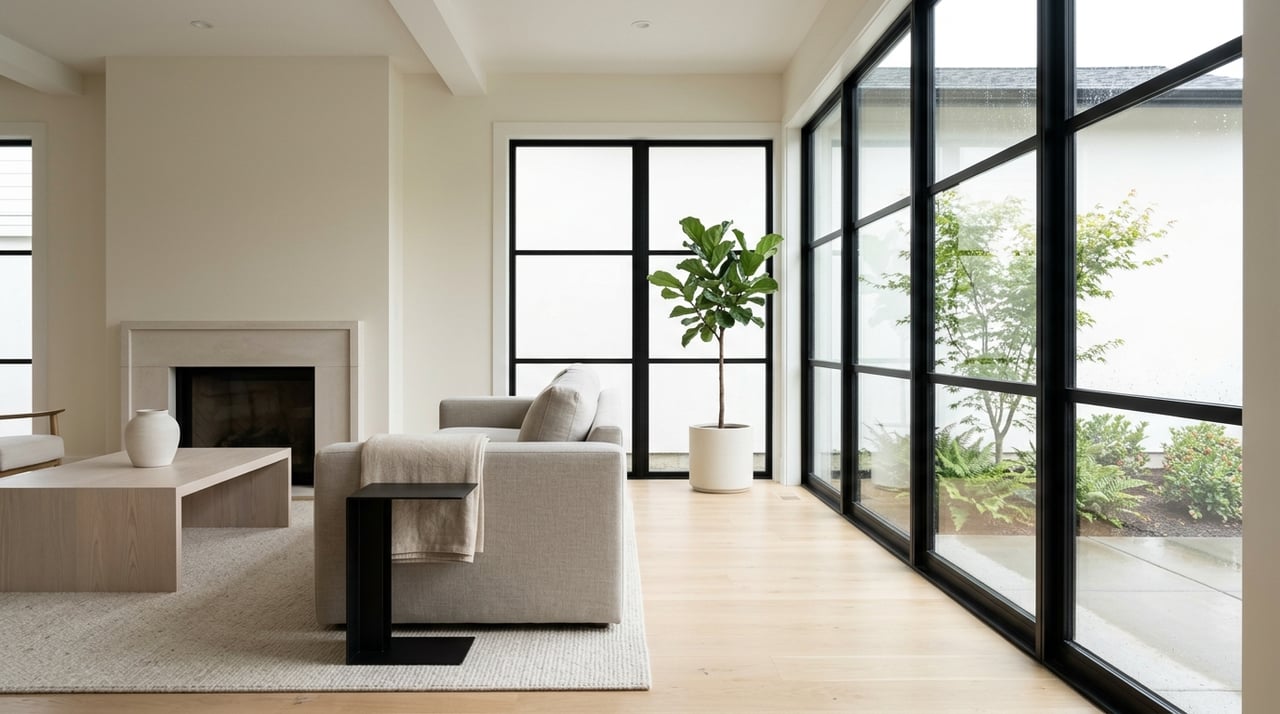
- Large, floor-to-ceiling windows and mixed materials like fiber cement, metal, wood, and concrete.
- Taller facades that maximize light and space on narrow infill lots.
What buyers expect
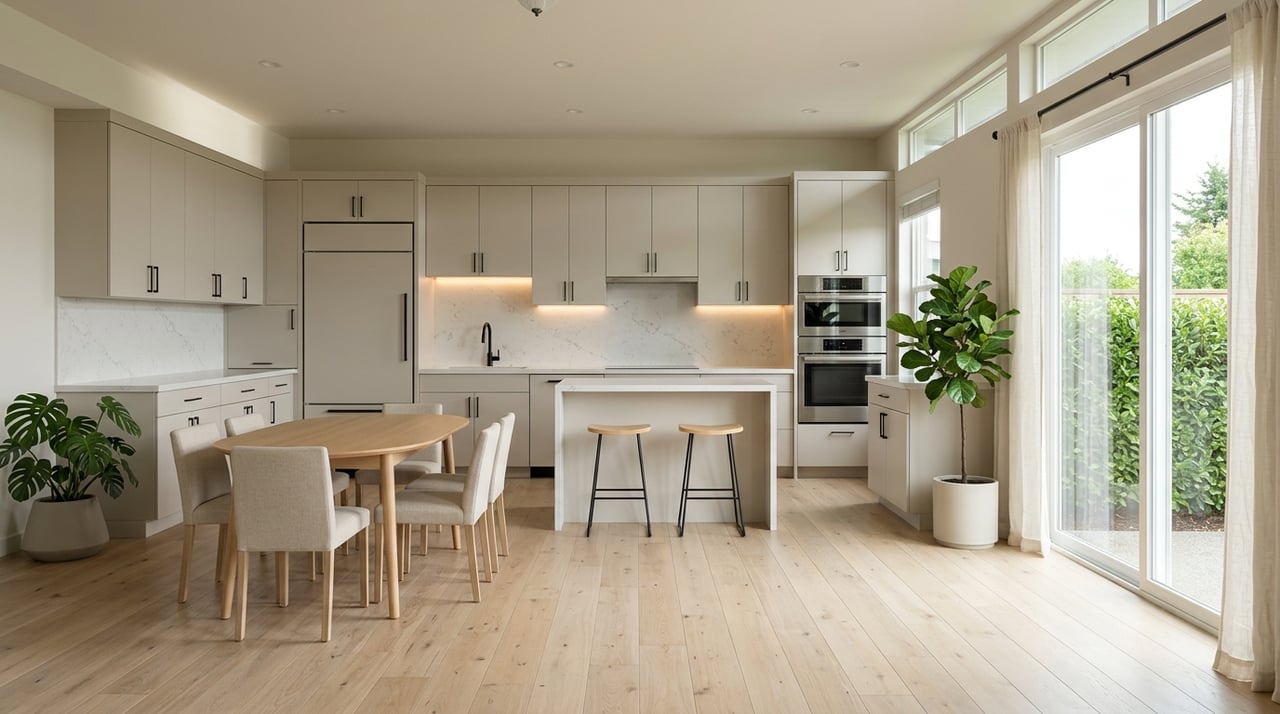
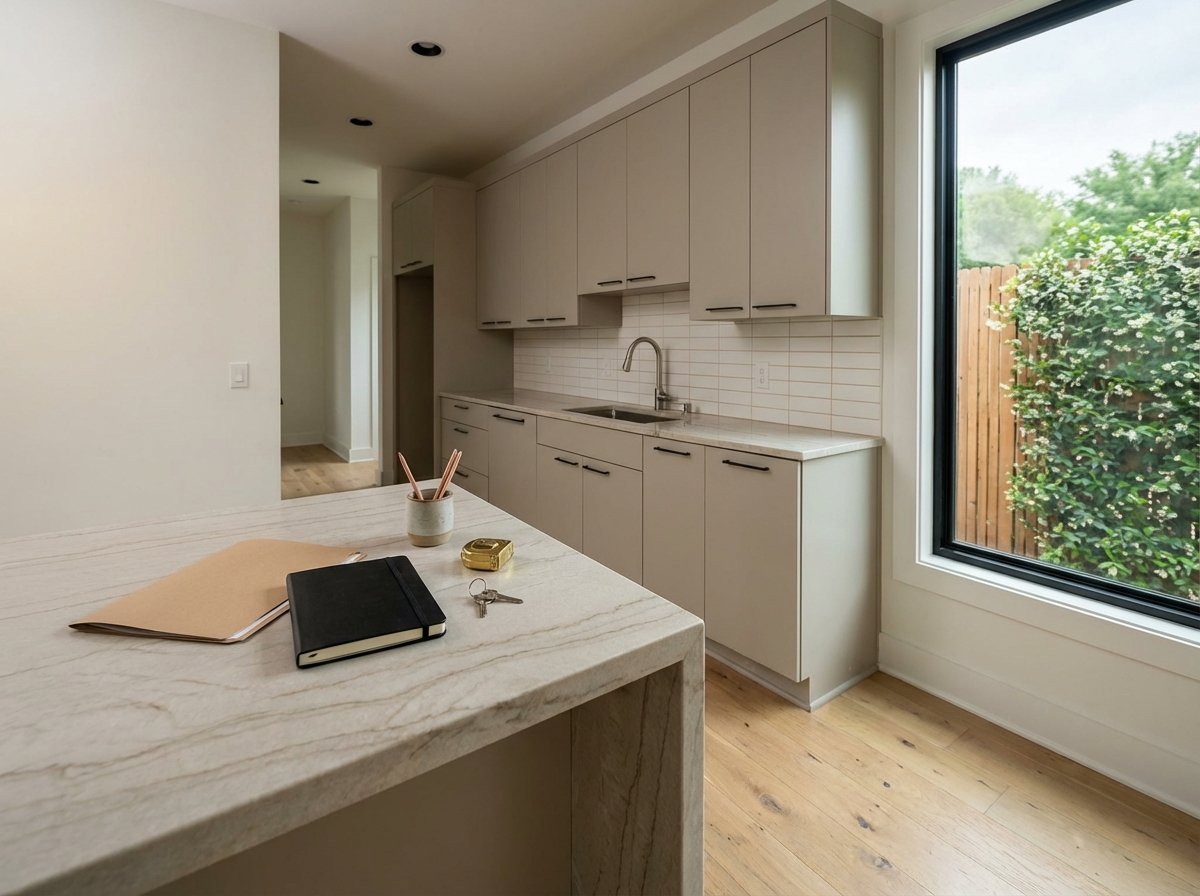
- Open kitchens with large islands, modern finishes, and energy-efficient systems.
- Flexible spaces for work, guests, or hobbies.
- Smart home features and strong indoor-outdoor connections.
Light-touch updates that fit
- LED recessed lighting, fresh neutral paint, and simple landscaping.
- Minor kitchen or bath refreshes that align with a clean, modern palette.
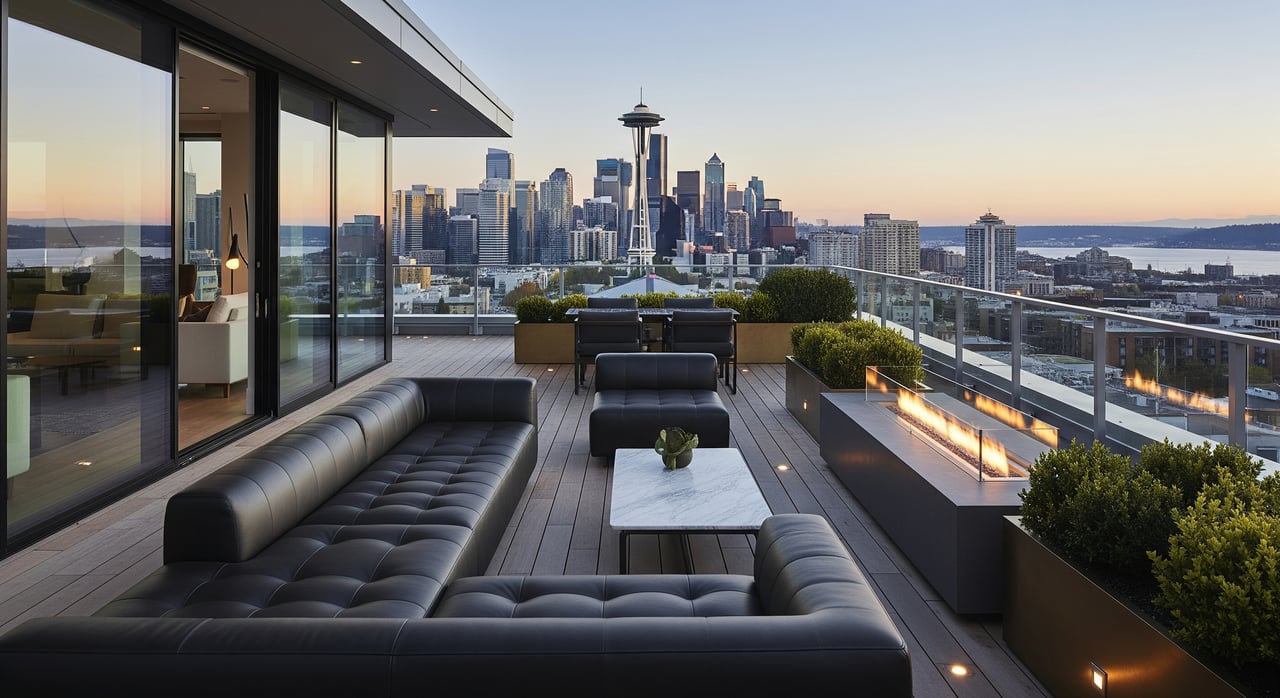
- Add or refresh decking to extend living space outdoors.
What Seattle buyers prioritize
Across 98103 and nearby areas, buyers often look for:
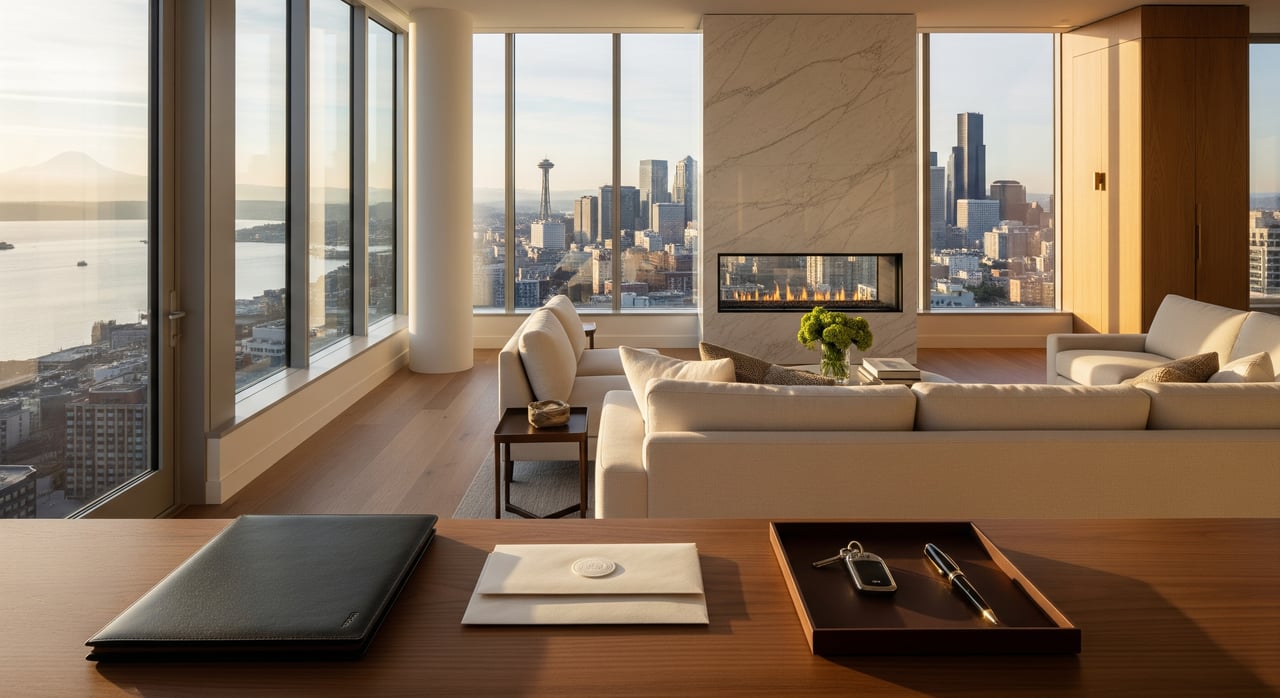
- Natural light and windows that capture the Northwest sky and views.
- Updated kitchens and at least one modernized bathroom.
- Energy performance and healthy systems, including insulation and reliable electrical and plumbing.
- Outdoor living with a deck, patio, or easy-care garden space.
- Storage, parking, and creative built-ins that make small lots work harder.
- Location benefits like proximity to transit, shops, parks, and schools.
Prep smart, preserve character
If you plan to sell, a light refresh can protect authenticity and improve marketability. Start with structure and weatherproofing, then finishes, systems, and finally kitchen and bath updates.
High-impact, lower-disruption projects:
- Refinish hardwood floors and repair or replicate wood trim in kind.
- Restore windows with sash repairs and add storms for efficiency.
- Kitchen refresh with new counters, appliances, and lighting while keeping original cabinet lines where possible.
- Bath updates that respect original tile or profiles if present.
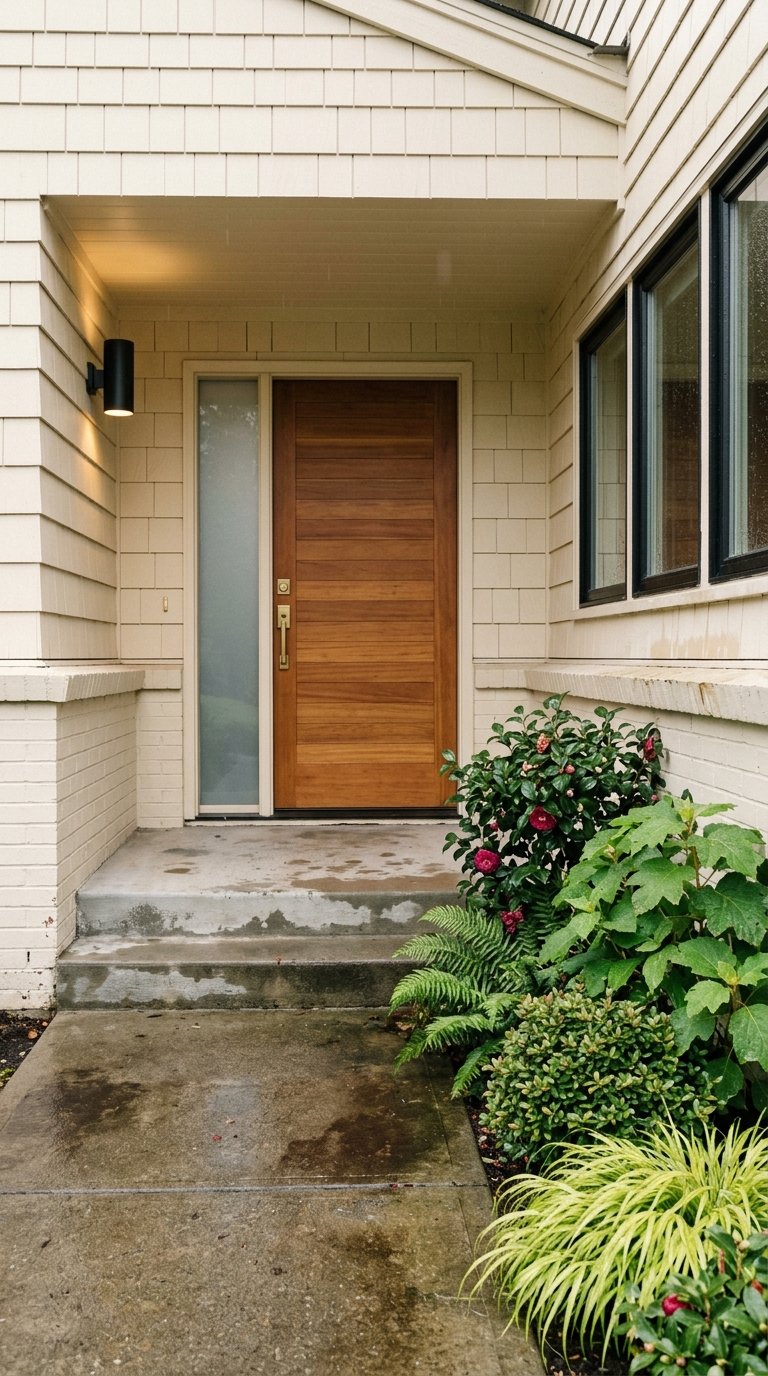
- Exterior repairs to porches, railings, and masonry; add simple, native plantings and a clear path to the entry.
- Energy upgrades like attic insulation, air sealing, and servicing the heating system. Ductless heat pumps can be a good option when ducts are impractical.
- Safety basics such as smoke and CO detectors, and electrical panel updates if needed.
Very general cost ranges vary by scope and contractor:
- Paint and staging: low.
- Window repairs and weatherstripping: low to moderate.
- Kitchen cosmetic refresh: moderate.
- Insulation or a heat pump: moderate to high.
If you want help financing approved pre-sale improvements, programs like Compass Concierge can front the cost and be repaid at closing. That can be an efficient way to stage, paint, and tackle targeted upgrades.
Permits, landmarks, and timelines
Before starting exterior work, check status and permits. Seattle requires permits for many additions, exterior changes, and system upgrades. Landmarked properties and projects in historic districts require additional review.
Timelines for permits and design review can affect when work begins and ends, so build that into your plan if you are coordinating a sale.
Buyer and seller checklists
For sellers
- Highlight preserved or restored features like built-ins, woodwork, or period fireplaces in photos and listing copy.
- Keep receipts and records for system upgrades and permitted work.
- Tackle deferred maintenance first. Fresh paint, clean landscaping, and minor repairs add immediate value.
- Confirm any landmark or district status before exterior changes to avoid delays later.
For buyers
- Schedule thorough inspections for older homes, including roof, foundation, electrical, and plumbing. Ask about knob-and-tube wiring or galvanized pipes.
- Factor lifecycle costs. Window restoration and insulation can improve comfort without removing original materials.
- Consider permit and review timelines for planned renovations in your closing and move-in plans.
The bottom line for 98103 buyers and sellers
Seattle’s classic Craftsman and Tudor homes, Mid-Century gems, and sleek Contemporary builds each offer something special. In 98103 and surrounding close-in areas, homes that pair authentic character with smart system updates often command the strongest interest. If you are selling, focus on preservation-minded refreshes that elevate function and curb appeal. If you are buying, learn each style’s cues so you can spot quality and plan improvements with confidence.
If you want style-savvy, finance-informed guidance, reach out to The Rachel Olson Group. Our team blends local expertise, strategic prep with Compass Concierge, and lender-savvy offer strategies to help you move with clarity and ease.
FAQs
How can you tell Craftsman vs Tudor from the street in Seattle?
- Craftsman homes show horizontal lines, big porches, exposed rafter tails, and heavy porch piers. Tudor homes have steep rooflines, half-timbering or arched doorways, and strong masonry details.
Will preserving original features hurt resale value in Seattle?
- Buyers often pay more for homes that combine authentic character with modern systems and updated kitchens or baths. Sensitive upgrades generally support value.
Are there restrictions on exterior changes to older Seattle homes?
- Yes. Landmarked properties and historic districts are regulated, and many projects require permits. Start with the City’s Historic Preservation resources and SDCI permitting guidance.
Which upgrades offer the best return while keeping character?
- Thoughtful kitchen refreshes, repaired or refinished woodwork, insulation and HVAC improvements with minimal disruption, quality paint, and simple landscaping usually deliver strong results.
What inspections are most important for older Seattle homes?
- Prioritize foundation, roof, electrical, and plumbing. Ask specifically about older wiring types and galvanized pipes so you can plan for safety and long-term costs.